Male contraceptive pill moves closer as WHO backs new birth control options
By Molly Grace • Published: 23 Sep 2026 • 23:04 • 3 minutes read
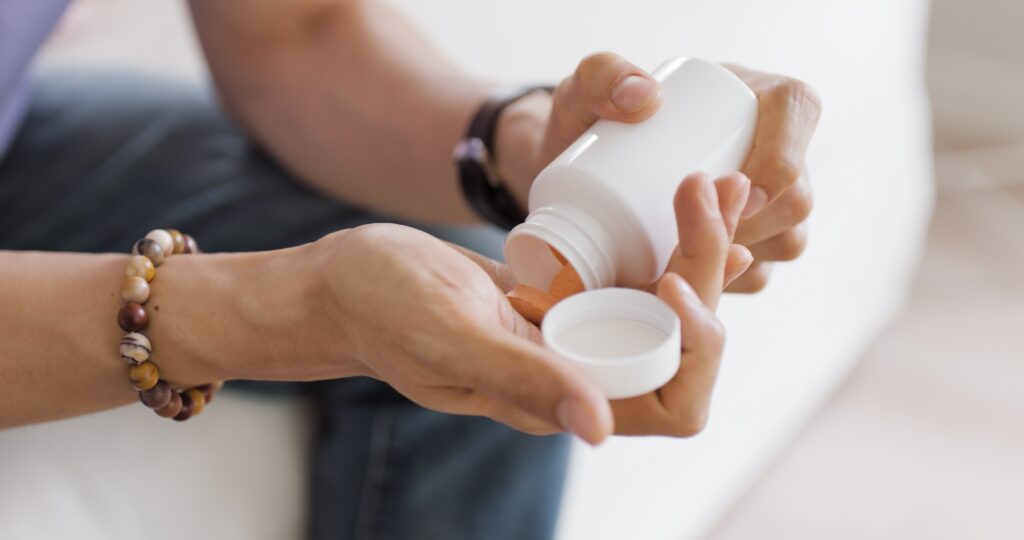
Research into male contraceptives has been taking place for decades. Photo credit: Chay_Tee/Shutterstock
If you have ever had to make decisions about contraception with a partner, you will know it is rarely a responsibility that belongs neatly to one person. But men have had far fewer options than women, with condoms and vasectomy still the main choices available. For decades, women have carried most of that responsibility, now that could finally start to change.
The World Health Organization has published its first set of guidelines for developing new male contraceptives, setting out what future products should look like and pushing researchers and pharmaceutical companies to develop options that are effective, safe, affordable and reversible. This does not mean a male contraceptive pill is about to appear in Spanish pharmacies. But after decades of research, several possible methods are now being developed, and the WHO wants to give them a clearer route towards becoming real products.
What could men actually use?
The WHO’s new framework covers three different ways of preventing pregnancy. One approach would suppress sperm production, another would interfere with how sperm function, while a third would prevent sperm from being transported through the reproductive system. That could eventually mean products such as daily pills, injections, gels or implants, depending on which candidates successfully pass clinical trials.
The WHO says future products should be highly effective, safe, reversible and affordable. Its target profiles set a minimum desired effectiveness of around 90 per cent, while also taking into account whether people would actually be willing and able to use them. The distinction between this announcement and a product launch is important. The WHO is not approving a particular contraceptive. It is setting standards for researchers and manufacturers developing the next generation of male birth control.
The research has been going on for decades
Male contraception is hardly a new idea, scientists have been investigating hormonal and non-hormonal methods for more than 50 years, but development has repeatedly stalled. The WHO says men’s contraceptive choices remain largely limited to condoms, vasectomy and withdrawal. One of the problems has been the question of whether there would actually be a market for male contraception. Would men take it? Would women trust their partners to take responsibility for preventing pregnancy? Would pharmaceutical companies be able to make enough money from a new product to justify the cost of developing it?
Recent research is providing some striking answers. A global study involving couples in Ghana, Togo, Morocco and Colombia found that more than 75 per cent of couples surveyed would be willing to use a new male contraceptive. More than 85 per cent of women questioned said they would trust their male partner to take responsibility for contraception. That suggests the potential demand may be considerably greater than some developers previously assumed.
European men are interested too
The interest is not limited to countries where access to contraception can be more difficult. A separate survey of 14,000 men across Germany, France, Italy, Poland, Sweden, Türkiye and the UK found that more than half in every country said they would start using a new male contraceptive within 12 months if it were approved.
Only 9 per cent said they would never use one. In the UK, the proportion saying they would start using a new method within a year reached 69 per cent, according to the survey reported by Euronews. The methods being considered include an on-demand pill taken before sex, a daily hormonal gel and a thermal silicone ring. But they are still experimental products, not alternatives that can currently be bought from a pharmacy.
Why the WHO wants more options
The WHO’s argument is not simply that men deserve another contraceptive choice. It says expanding male contraception could allow couples to share responsibility for preventing pregnancy rather than leaving women with most of the available options, and their associated decisions, costs and potential side effects.
The organisation says developing additional methods is important for allowing people to make choices about whether and when to have children, while reducing the disproportionate burden of family planning currently carried by women. That could be particularly significant for women who cannot tolerate existing hormonal contraceptives or who do not want to use them for years at a time. It would also give couples another option when condoms are unsuitable or when one partner cannot or does not want to use a female contraceptive.
You will have to wait
Despite the excitement around the announcement, there is no immediate male pill arriving on pharmacy shelves. Several candidates are already in advanced clinical trials, but they still have to demonstrate that they work, are safe and can be used reliably before regulators could approve them. The WHO says new reversible male contraceptives could potentially reach the market within five to 10 years, although the timeline will depend on the individual products and their clinical development.
For now, the biggest change is that male contraception has moved another step away from being a laboratory idea and towards something researchers, manufacturers and regulators have a shared framework for developing. After decades in which contraception has largely been something women have had to manage themselves, the next generation could finally give men a much bigger role in preventing pregnancy.
Follow Euro Weekly News on Google News
Get breaking news from Spain, travel updates, and expat stories directly on your Google News feed.
Follow on Google NewsSign up for personalised news
Subscribe to our Euro Weekly News alerts to get the latest stories into your inbox!
By signing up, you will create a Euro Weekly News account if you don't already have one. Review our Privacy Policy for more information about our privacy practices.





Molly Grace
Molly is a British journalist and author who has lived in Spain for over 25 years. With a background in animal welfare, equestrian science, and veterinary nursing, she brings curiosity, humour, and a sharp investigative eye to her work. At Euro Weekly News, Molly explores the intersections of nature, culture, and community - drawing on her deep local knowledge and passion for stories that reflect life in Spain from the ground up.
Comments