Mar Menor sees major recovery as 450 endangered fan mussels return
By Natascha Rivera • Updated: 23 Oct 2026 • 14:38 • 2 minutes read
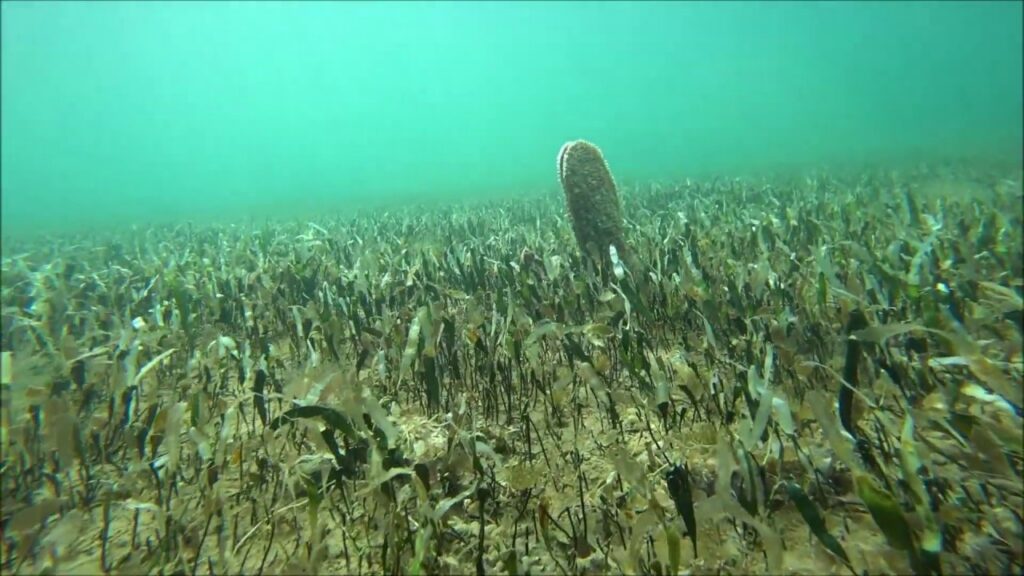
Endangered fan mussels return as the Mar Menor shows recovery signs. Photo Credit: Canal Mar Menor / YouTube
Little by little, the Mar Menor, Europe’s largest saltwater lagoon and a deep source of pride for local communities on the Costa Calida, is showing signs of ecological recovery. More than 450 new specimens of the endangered fan mussel have been registered in the lagoon, offering fresh hope for the recovery of not only this threatened marine species but the Mar Menor as a whole.
Signs of major ecological recovery: the Mar Menor welcomes hundreds of young mussels
Monitoring programmes carried out by the University of Murcia, regional environmental authorities and public company Tragsa have confirmed the increase, bringing the estimated population above 600 individual mussels, as reported by news outlet El Mundo.
Around 66 per cent of the recorded mussels are young, aged between two and four years old. This suggests the species has officially resumed reproduction, after years of struggling through a severe ecological decline.
The species devastated by the 2016 ecological disaster
The fan mussel, known in Spanish as nacra común, suffered a mass population wipeout following the Mar Menor’s ecological crisis in 2016, when green algae blooms, torrential rainfall and episodes of oxygen depletion devastated the marine life that called the lagoon home. For several years after the disaster, high levels of bacterioplankton prevented the mussels from repopulation, according to Emilio Cortés, a University of Murcia researcher.
A Mediterranean parasite, Haplosporidium pinnae, also contributed to the devastating losses in 2016.
Achieving the delicate balance
Additionally, stable salinity levels are essential for the species’ survival; according to Cortés, the mussels are particularly vulnerable when salinity falls below 36.5 grams per litre or rises above 39.5 grams per litre. The Mar Menor currently has salinity levels of around 40 grams per litre, although major seawater inflows or extreme weather events could alter the delicate balance.
Finally, things began looking up for the mussels when the populations of the bacteria finally declined and the species was able to reproduce once more.
The fan mussel: a ‘guardian’ of other species in the Mar Menor
Native to the Mediterranean, the fan mussel can grow up to 120 centimetres tall. Its shell itself supports a miniature ecosystem, providing shelter for species including sponges, worms, crabs and fish and making them an essential fixture of the Mar Menor’s population of wildlife. A small shrimp, Pontonia pinnophylax, even takes its scientific name from its role as the mussel’s ‘guardian’.
Seahorses see a steady return to the saltwater lagoon
But the increase in the population of mussels is not the only good news to come out of the Mar Menor in recent weeks. Juvenile seahorses, an animal that has become emblematic of the iconic saltwater lagoon, have also increased in number in peripheral areas of the lagoon and its shallow waters.
Despite these encouraging signs, Cortés and other researchers remain wary of the long-term outlook, stressing that continued recovery depends on avoiding further ecological disruption and helping the health of the lagoon at every opportunity.
Follow Euro Weekly News on Google News
Get breaking news from Spain, travel updates, and expat stories directly on your Google News feed.
Follow on Google NewsSign up for personalised news
Subscribe to our Euro Weekly News alerts to get the latest stories into your inbox!
By signing up, you will create a Euro Weekly News account if you don't already have one. Review our Privacy Policy for more information about our privacy practices.




Natascha Rivera
Natascha is a Dominican writer based in Spain with a background in audiovisual and marketing communication. A lifelong reader and passionate storyteller, she brings a creative edge to her work at Euro Weekly News. Her multicultural perspective informs her coverage of lifestyle and community stories, offering fresh angles and relatable storytelling that connects with a diverse audience.
Comments