Crash in Spain? One tick-box on the accident form could decide who pays
By Harry Dennis • Published: 02 Nov 2026 • 11:52 • 2 minutes read
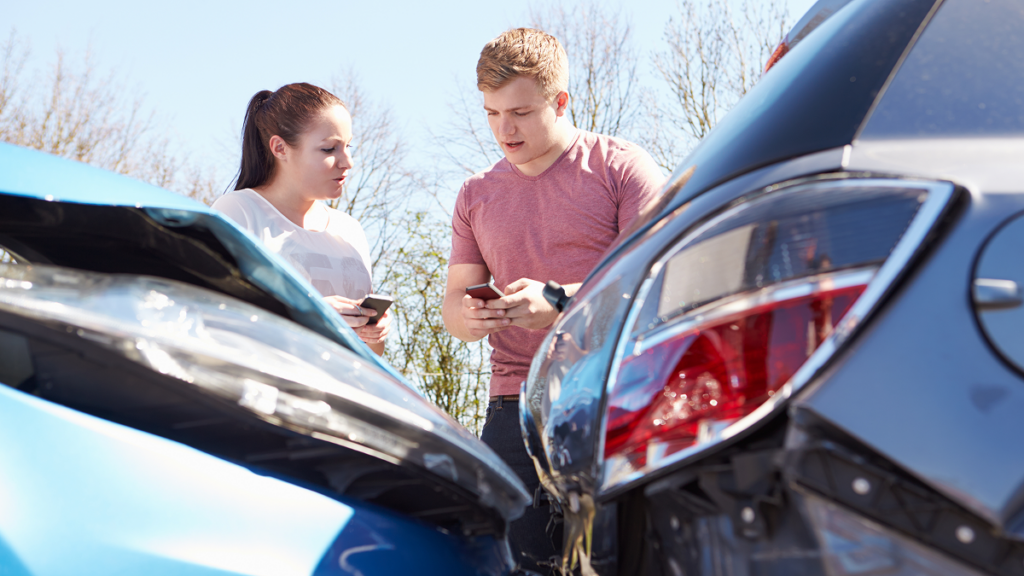
Getting the roadside form right matters long after the crash. Credit: Monkey Business Images / Shutterstock
The other driver is waiting, the traffic is building up and someone’s holding out a pen. It’s hard to imagine having a lot of patience in the moment, but the form signed at the roadside after a crash in Spain can shape who pays for months afterwards, and the biggest mistakes are small ones that are easy to miss.
The form that’s hard to take back
After a collision with only material damage, the usual next step in Spain is a parte amistoso (the ‘friendly’ accident report, known in English as the European accident statement). Each driver fills in their half, draws a quick sketch and signs, and each keeps a copy to pass to their own insurer.
Spain’s government says it’s advisable, though not mandatory, to complete it at the scene. However, insurance guidance says it only counts once both drivers have signed, and trying to change it afterwards can be difficult.
Signing isn’t an admission of fault on its own, as it confirms the account of events written on the form. Even so, lawyers point out that a form signed by both drivers can be used as evidence before an insurer and a judge, although it can still be challenged.
The tick-boxes carry the most weight
The part that matters most is the list of numbered circumstance boxes, where each driver ticks what their vehicle was doing, such as parking or reversing. There are 17 to choose from, and one guide says they weigh more than anything written in the observations section.
So tick only the boxes that describe what really happened, and don’t leave relevant ones blank, because that leaves the split of blame open. Add a sketch and photos of the damage too, as leaving those out is one of the common slips.
Don’t sign if you disagree
When tempers are up, the pressure is to say ‘let’s just sign and go home’. However, insurers advise the opposite if anything on the form is wrong, missing or disputed. Neither driver should sign, and the police should be called to draw up an atestado (an official police report), while you note the other car’s number plate, take photos and collect witness details.
The same applies if you can’t properly read or follow what’s written, as signing without carefully reviewing the form is one of the most common mistakes. If anyone’s hurt, however minor, call the police on 112 rather than only relying on the form.
Ticking ‘no injuries’ can come back to bite
It’s tempting to tick the ‘no injuries’ box while everyone’s still walking and talking. However, whiplash symptoms can appear days later, and lawyers say an insurer could use that early declaration to dispute a later claim for injuries.
After an accident, drivers are advised to see a doctor within 72 hours even if you feel fine, and asking for a medical report, which an insurer will need if you claim compensation.
Seven days to tell your insurer
Spanish insurance law gives you seven days from learning of a crash to tell your insurer, unless your policy allows longer. Spain’s government says you must report it to your own insurer even if you don’t plan to claim, and that the form can now be sent from a phone through an app, depending on your insurer.
Missing the deadline doesn’t automatically cost you your payout. However, the insurer can claim for any damage the delay caused, and you only lose the right to compensation outright if you acted with intent or gross negligence.
So take photos at the scene, keep your signed copy safe and phone your insurer the same day if you can.
Follow Euro Weekly News on Google News
Get breaking news from Spain, travel updates, and expat stories directly on your Google News feed.
Follow on Google NewsSign up for personalised news
Subscribe to our Euro Weekly News alerts to get the latest stories into your inbox!
By signing up, you will create a Euro Weekly News account if you don't already have one. Review our Privacy Policy for more information about our privacy practices.


Harry Dennis
Born in the UK and raised on the Cádiz coast, Harry brings a creative eye to his writing, sharing stories that celebrate culture and lifestyle across Spain and beyond.
Comments