Marbella safety message: ‘You are welcome and we are here for you’
By Adam Woodward • Published: 03 Nov 2026 • 20:59 • 4 minutes read
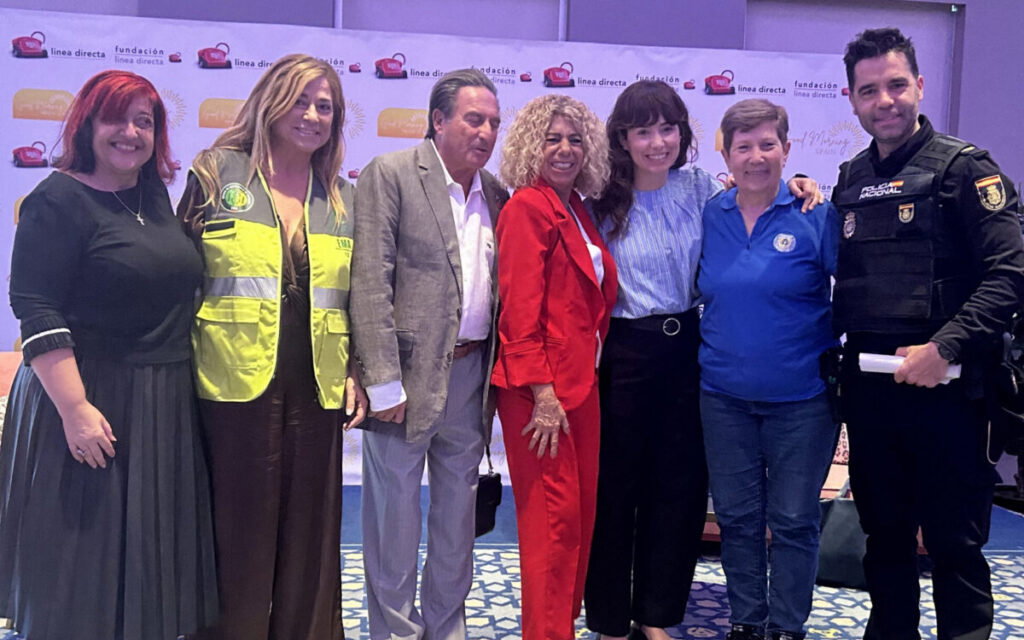
Nicole King and guests reassure the expat community. Credit: EWN
Marbella’s international residents were given a reassuring message on Tuesday, November 3, when the city’s police and emergency services came together to explain just how much work goes into keeping the community safe.
The United Nationalities of Marbella summit, held at the Hard Rock Hotel, brought together representatives from the Policia Nacional, Policia Local, Guardia Civil, firefighters and Civil Protection, alongside charities, local councils and organisations supporting foreign residents. The event followed an earlier Marbella international safety summit announcement.
The overwhelming message was that Marbella really is a comparatively safe place to live, its international community is wholeheartedly valued, and the authorities want residents to feel confident approaching them whenever they have concerns.
Representatives of the National Police stationed in Marbella particularly stressed that keeping the city safe is a community effort. They want to build relationships with residents, listen to their concerns and work together to prevent problems before they develop.
For British and other international residents who sometimes feel uncertain about dealing with Spanish authorities, the message was particularly encouraging: they are welcome, they are fully part of the community, and help is available.
Planning for emergencies before they happen
One of the most informative presentations came from emergency services representatives explaining Marbella’s preparations for major incidents, including flooding, wildfires and other situations requiring evacuations.
Nicole King, organiser of the summit, helped explain how emergency planning takes account of people who might struggle to look after themselves during a crisis.
Authorities are currently working on identifying vulnerable residents who may be unable to evacuate independently, making sure emergency teams know where assistance will be needed. This includes people with mobility difficulties, older residents and those requiring medical equipment or other support. Schools, nurseries, hospitals and care homes are also identified as priority locations in emergency plans.
Residents may be directed to temporary council-run safe spaces, known as “albergues municipales”. These could include sports centres or community buildings where people can receive information and assistance, including those who do not have internet access, such as was the situation in the recent Benahavis wildfire in which communications towers were left out of action.
Importantly for pet owners, emergency planning also takes account of people who need to evacuate with their animals. Designated facilities are being considered so that residents do not have to choose between their own safety and that of their pets.
Nicole stressed that keeping in contact with emergency services is essential, even if residents decide to stay with relatives rather than use an official shelter. Updates through the 112 Andalucia emergency service will explain which areas are safe and when people can return home.
She also called on anyone living in the countryside or in an area at risk of flooding to understand the dangers and find out what to do before an emergency occurs.
Marbella has already demonstrated its commitment to emergency preparedness, including a major tsunami emergency exercise on El Faro beach.
Help does not stop when the emergency ends
Another reassuring message from emergency services was that their responsibility does not finish once an immediate danger has passed. Representatives explained how teams continue supporting affected communities until normal life is restored.
During previous emergencies, this has included delivering drinking water and providing generators to vulnerable residents whose homes have lost electricity. This can be particularly important for people dependent on oxygen equipment or other electrical medical devices.
The message was simple: emergency services will stay together with affected residents and help them through the recovery process.
Marbella’s Civil Protection and emergency services also explained their important role in preparing for emergencies, supporting evacuations, helping locate missing people and providing practical assistance at public events. Their trained volunteers work with the police, firefighters and other emergency teams throughout the year.
A lifeline for women escaping domestic violence
The summit also gave valuable attention to the work of Soroptimist International Costa del Sol, which is celebrating its 20th anniversary. The organisation, which works to improve the lives of women and girls, used the occasion to explain its Safe House project and raise funds for women escaping domestic violence.
Its current initiative provides emergency assistance during the first three days after a woman leaves an abusive home, whether alone or with children.
Support can include hotel accommodation, food vouchers, clothing, toiletries and other essential personal items. Volunteers can also help with translation and communication, particularly for foreign women who may struggle to navigate the Spanish support system.
The longer-term ambition is to establish a dedicated safe house where women can recover and rebuild their lives. The organisation stressed that domestic violence affects Spanish and international women, with language barriers sometimes making it particularly difficult for foreign victims to seek assistance.
For women who need help, there is also a useful guide to domestic violence support services in Spain, including English-speaking organisations such as Soroptimist International Costa del Sol.
A community coming together
The summit attracted representatives from across Marbella and the wider Costa del Sol, including members of the press, Marbella Council, Mijas Council, Age Concern Marbella-San Pedro, La Cala de Mijas Lions Club, AVOI and numerous other charities and organisations offering assistance to expat residents.
It was also an opportunity for expats to discover ways of getting involved in their local communities, rather than simply finding out where to turn at the moment they need help.
Special recognition is deserved by Georgina Shaw, who tirelessly translated the presentations from Spanish into English throughout the summit, making sure that language was no barrier to understanding the important information being shared.
Organiser Nicole King encouraged attendees to collect emergency contact information, leaflets and fridge magnets displaying essential telephone numbers.
Perhaps the most important number to remember is 112, Spain’s emergency telephone number, available around the clock. It looks an easy number to remember, but in moments of extreme stress, the simplest of numbers can escape one’s recollection.
By bringing residents, authorities and voluntary organisations together, the summit delivered a reassuring reminder that Marbella’s international community is not on its own. Its safety is a shared responsibility, and the people working to protect the city want its residents to know that they are there for them, always.
Follow Euro Weekly News on Google News
Get breaking news from Spain, travel updates, and expat stories directly on your Google News feed.
Follow on Google NewsSign up for personalised news
Subscribe to our Euro Weekly News alerts to get the latest stories into your inbox!
By signing up, you will create a Euro Weekly News account if you don't already have one. Review our Privacy Policy for more information about our privacy practices.
Adam Woodward
Adam is a writer who has lived in Spain for over 25 years. With a background in English teaching and a passion for music, food, and the arts, he brings a rich personal perspective to his work at Euro Weekly News. As a father of three with deep roots in Spanish life, Adam writes engaging stories that explore culture, lifestyle, and the everyday experiences that shape communities across Spain.
Comments