Schengen EES chaos leaves passengers stranded and airports may pause biometric checks
By Farah Mokrani • Published: 24 Apr 2026 • 10:59 • 3 minutes read
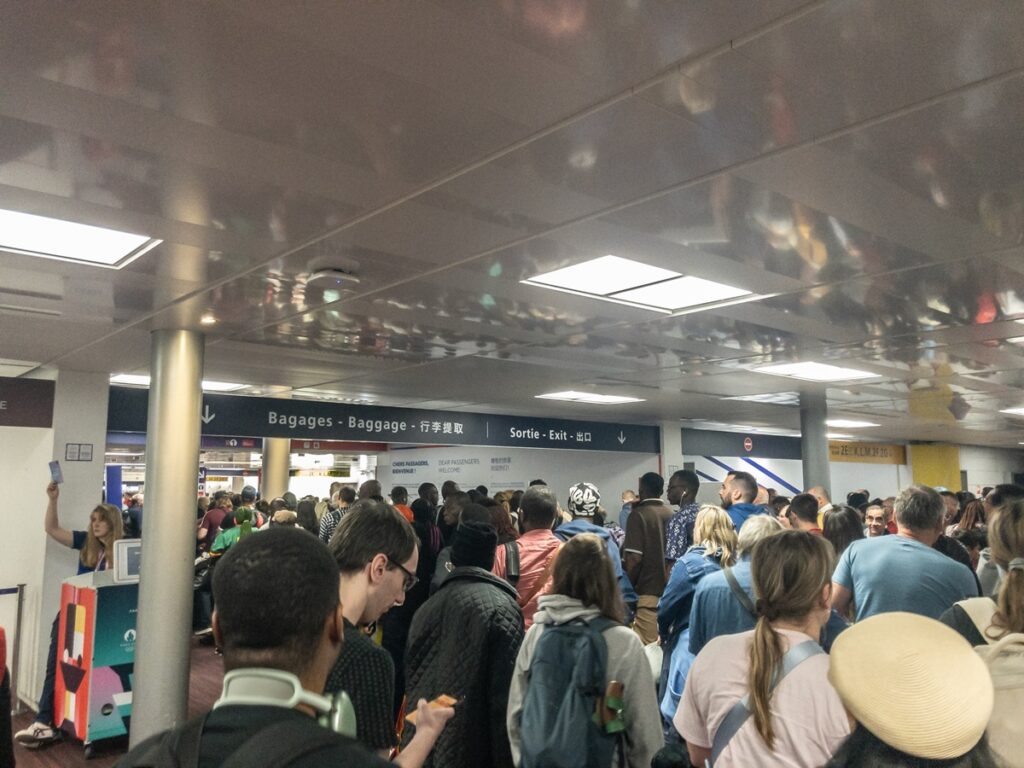
Airports may pause Schengen EES checks after growing queues and missed flights Credit : BalkansCat, Shutterstock
Passengers travelling through several European airports have already missed flights because of delays linked to the new Schengen Entry Exit System (EES), and airlines are now asking for urgent changes before the summer rush begins.
Industry figures released on 21 April said more than 100 passengers were left behind last weekend while still waiting to complete the new biometric border checks. Milan drew most of the headlines, but airport groups also said flights departed from Frankfurt, Berlin and Hamburg without travellers who were still stuck in line.
For anyone flying in the next few months, especially through major hubs, it is a reminder that one extra airport queue can now be enough to ruin a trip.
The system was introduced to modernise border control. Right now, many passengers are meeting it through missed boarding calls and long waits.
What the new EES system actually does
The Entry Exit System is aimed at non EU travellers entering or leaving the Schengen area.
Instead of relying only on passport stamps, border authorities now record journeys digitally. That includes passport checks and biometric data such as fingerprints. The long term goal is better security, more accurate records and fewer overstays.
That is the official side of it.
The passenger side is simpler. It means one more process at the airport, one more stop in the journey and, in some places, one more queue.
When airports are quiet, that may be manageable. When several flights are boarding at the same time, delays can build quickly.
Anyone who has stood in a slow moving airport line knows how fast stress spreads once people start checking the time every thirty seconds.
Why airports are worried now
The timing is awkward. April is busy enough, but it is nothing compared with what is coming once summer holidays begin. Airports know that if problems are appearing now, July and August could be much tougher.
That is why ACI EUROPE and Airlines for Europe are pressing Germany and other countries to allow temporary suspension of biometric checks during the busiest peaks.
Their argument is straightforward. Security systems should work without causing passengers to miss flights in large numbers.
Under the current rules, officers can partly relax the checks if queues exceed one hour. That can mean skipping fingerprints while still scanning passports.
Airlines say that may not be enough once terminals fill with holiday traffic.
Germany’s Interior Ministry has said it is watching processing times and may consider operational flexibility if average checks do not fall below 90 seconds per traveller by mid May.
Ninety seconds sounds harmless until you multiply it by hundreds of people.
How passengers are being affected
Some airlines are reportedly delaying departures slightly to give late passengers a chance to board.
That may help a few people at the gate, but it creates problems elsewhere. Late departures can affect connections, crew schedules and arrival times.
Travellers are also being told to get to the airport much earlier than usual. Some travel managers are advising three and a half hours before departure.
For a short European flight, that feels like a major change.
Families face longer days with children in terminals. Business travellers lose working time. Older passengers and people with mobility issues may find extended queues particularly draining. And then there is the uncertainty.
No one likes wondering whether they have done everything right, arrived early enough or chosen enough time for a connection.
Why Spain based travellers should pay attention
Many people living in Spain travel through hubs such as Frankfurt, Milan or Berlin for onward flights. So even if your journey begins smoothly in Alicante, Málaga, Barcelona or Madrid, the problem may appear later during transit.
Expats flying to the UK, Belgium, Germany or northern Europe may feel the impact more than they expect.
Connections that once looked comfortable can suddenly become tight if border control slows down. Direct flights may become more attractive this summer, even if they cost a little more.
For some travellers, paying extra could be worth avoiding the risk of missing the second leg of the trip.
Will things settle down?
Probably, at least to some extent. New systems often improve once staff become faster and passengers know what to expect. The first weeks are usually the messiest.
People stop hesitating at machines. Documents are ready sooner. Staff learn where delays happen and adjust.
But airports do not have endless time to figure it out.
Summer travel is close, and passengers are far less patient when a missed flight means losing a holiday booking.
What travellers should do now
If you are flying through a Schengen airport using EES checks, arrive earlier than you normally would. Keep passports ready. Allow more time for transfers than you used to.
If you are booking now, direct flights may be the safer option where possible.
Most travellers can accept security checks. What they struggle to accept is missing a plane while standing in a queue. That is the issue airports now need to solve, and quickly.
Sign up for personalised news
Subscribe to our Euro Weekly News alerts to get the latest stories into your inbox!
By signing up, you will create a Euro Weekly News account if you don't already have one. Review our Privacy Policy for more information about our privacy practices.



Farah Mokrani
Farah is a journalist and content writer with over a decade of experience in both digital and print media. Originally from Tunisia and now based in Spain, she has covered current affairs, investigative reports, and long-form features for a range of international publications. At Euro Weekly News, Farah brings a global perspective to her reporting, contributing news and analysis informed by her editorial background and passion for clear, accurate storytelling.
Comments