New report says Spain’s property prices remain below pre-crash peak
By Molly Grace • Published: 14 May 2026 • 23:33 • 3 minutes read
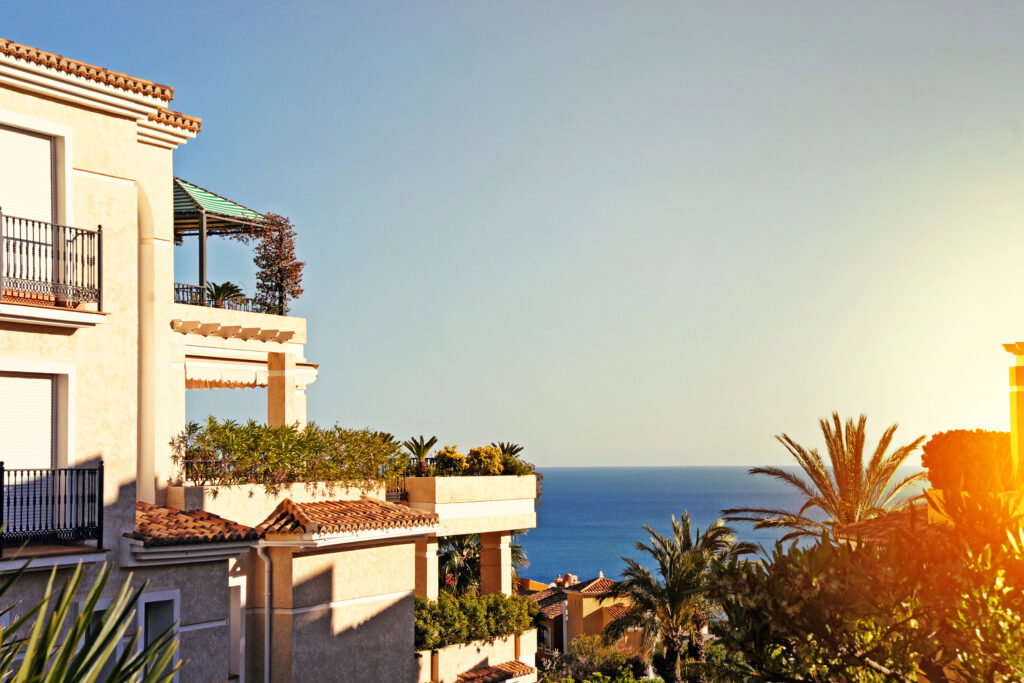
The findings come as property prices continue to rise across much of Spain. Photo credit: Guschenkova/Shutterstock
Spain’s central bank (Banco de España) has said Spain’s housing market remains below the levels reached during the property bubble that collapsed in 2008, despite continued increases in prices and growing concerns over affordability. In its latest Financial Stability Report, the central bank said its valuation indicators show house prices are still around 15% below the peak recorded before the financial crisis.
It also stated that it does not currently see an urgent need to introduce stricter limits on mortgage lending. The findings come as property prices continue to rise across much of Spain, particularly in Madrid, Barcelona, Málaga, Alicante and the Balearic Islands. Coastal regions and cities with strong tourism demand have experienced some of the sharpest increases in recent years.
Current market conditions differ from the 2008 housing bubble
Despite rising prices, the Banco de España argued that the current market differs significantly from the conditions that existed before the 2008 collapse. During the previous property boom, rising prices were closely linked to excessive lending, speculative investment and high levels of household debt.
According to the report, today’s market is being driven more by a shortage of available housing, population growth and sustained domestic and international demand rather than uncontrolled borrowing.
Mortgage conditions are also stricter than they were before the financial crisis. Banks now carry out tighter affordability checks and many buyers are required to provide larger deposits. Fixed-rate mortgages have become more common, reducing the risk of borrowers being exposed to sudden increases in interest rates.
Affordability pressures continue across many regions
The central bank acknowledged that housing affordability has worsened in several parts of the country, particularly for younger people and lower-income households. Property prices and rents have risen faster than salaries in many urban and tourist areas, making it increasingly difficult for some residents to enter the market.
Even so, the institution concluded that the overall financial risk to the banking sector remains contained and that current price growth does not present the same systemic dangers seen before the financial crisis.
For people looking to buy property in Spain, the report is likely to be interpreted as a sign that authorities do not currently believe the country is facing another housing bubble similar to the one that burst nearly two decades ago.
Buyers still face strong competition and limited supply
That does not mean prices are expected to fall in the short term. In many regions, demand continues to outpace supply. Spain has faced a shortage of new housing construction for several years, particularly in areas with strong economic growth or high foreign demand.
International buyers continue to play a major role in parts of the Spanish market, especially in coastal provinces and island regions. Demand from buyers from the United Kingdom, Germany, France, the Netherlands and the United States has remained strong despite higher borrowing costs in recent years.
The report may nevertheless provide reassurance to buyers concerned about the possibility of a sudden market collapse. Following the 2008 crash, Spanish property prices fell sharply and many homeowners were left owing more on their mortgages than their homes were worth.
Mortgage conditions are unlikely to tighten immediately
Current economic conditions are different in several important ways. Household debt is lower than it was before the financial crisis, the banking sector is more heavily regulated and unemployment levels are significantly below the highs reached after the collapse of the property market.
The Banco de España also suggested that any future action to cool the housing market would probably involve targeted preventive measures rather than emergency restrictions. Financial authorities in several European countries have introduced measures such as limits on loan-to-value ratios or debt-to-income levels to reduce long-term risks in overheated property markets.
At present, however, the Spanish central bank said it is continuing to monitor developments and does not consider immediate intervention necessary.
What the report could mean for future buyers
For buyers, this could mean mortgage conditions are unlikely to tighten significantly in the near future. Spanish banks continue to compete for borrowers and mortgage rates have eased slightly in recent months following expectations that European interest rates may stabilise further.
Affordability remains one of the biggest challenges. Buyers in major cities and popular coastal areas continue to face high prices and strong competition for available properties. Analysts have also warned that national averages can conceal major regional differences, with some inland areas remaining relatively affordable while prices in tourism-driven markets continue to rise rapidly.
The Banco de España’s assessment suggests the country’s housing market is facing pressure from limited supply and strong demand rather than the speculative lending that defined Spain’s previous property bubble.
Follow Euro Weekly News on Google News
Get breaking news from Spain, travel updates, and expat stories directly on your Google News feed.
Follow on Google NewsSign up for personalised news
Subscribe to our Euro Weekly News alerts to get the latest stories into your inbox!
By signing up, you will create a Euro Weekly News account if you don't already have one. Review our Privacy Policy for more information about our privacy practices.




Molly Grace
Molly is a British journalist and author who has lived in Spain for over 25 years. With a background in animal welfare, equestrian science, and veterinary nursing, she brings curiosity, humour, and a sharp investigative eye to her work. At Euro Weekly News, Molly explores the intersections of nature, culture, and community - drawing on her deep local knowledge and passion for stories that reflect life in Spain from the ground up.
Comments