Southern Andalucia hits drivers and gardeners with €3,000 fines as local water use outstrips supply
By Adam Woodward • Published: 06 Aug 2026 • 18:31 • 2 minutes read
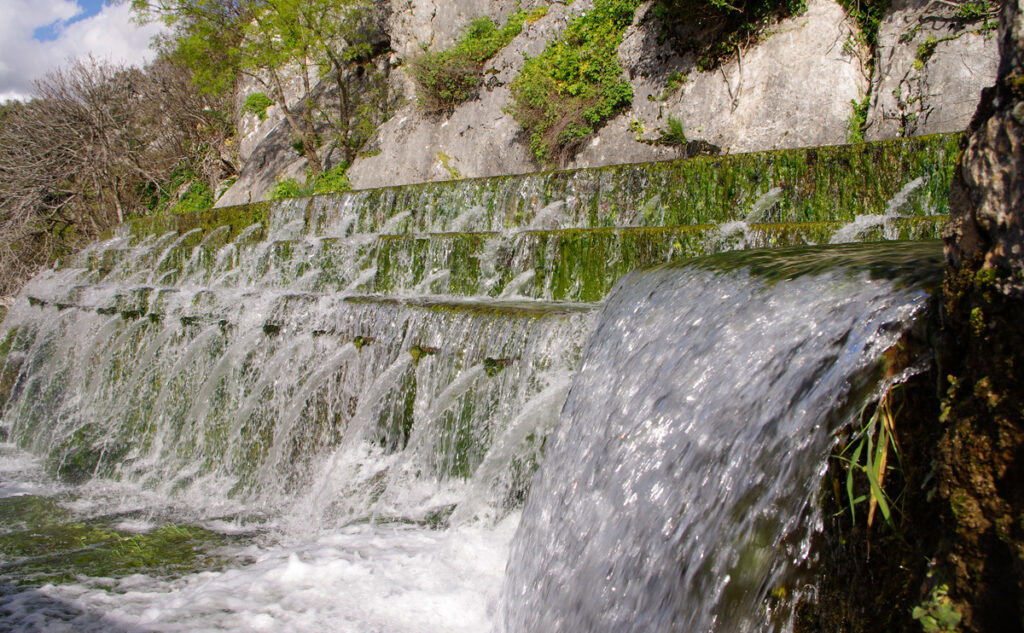
Fountain of the 100 pipes in Villanueva de Trabuco, Axarquia. Credit;: Salvador Calero - Shutterstock
Southern Spain still needs very careful water management even after last year’s heavy rains topped up many reservoirs. Ongoing heatwaves keep pressure on local deposits, and some inland towns in the Malaga province face tighter limits right now. Residents and visitors who stay informed and stick to the rules help protect supplies for everyone and avoid hefty penalties.
Villanueva del Trabuco town hall has issued a new local bylaw after consumption started exceeding the water flowing into its storage tanks. Mayor Juan Alejandro Pascual Martín signed the notice that brands water “a precious and scarce resource.” From now on residents must stop several everyday activities that draw from the public network.
Strict bans already in force across the town
No one may water private or public gardens and paths with mains water. Filling private swimming pools from the public supply is banned. Washing cars or other vehicles from the network is forbidden except for specialist commercial car-wash businesses. Filling private tanks or aljibes is also off-limits unless those tanks serve community services. This is not limited to the village of Villanueva del Trabuco. Similar rules exist all over Andalucia.
These rules sit on top of the local water regulations that have been in place since November, 4 2004. Under that framework, improper use or fraud counts as a very serious offence and can lead to fines of up to €3,000. Town hall staff have asked residents to report any wasteful or abusive use so the measures can be enforced fairly. No end date has been set; the bans stay until further notice.
Why inland towns still feel the squeeze
National and regional reservoirs sit well above the levels seen during the worst drought years, yet local networks can lag behind. Heatwaves raise demand for gardens, pools and outdoor cleaning at the same time evaporation increases. In parts of the Antequera comarca, including Villanueva del Trabuco, daily use has simply outrun the rate at which tanks refill. Similar warnings have appeared in neighbouring villages earlier this summer.
Earlier Euro Weekly News coverage examined how record winter rainfall lifted Spain’s overall reserves and eased fears of widespread summer cuts on the Costa del Sol. Another report asked whether those gains would last through 2026 without further investment in storage and distribution. Local situations like the one in Villanueva del Trabuco show that province-wide improvements do not always reach every hillside deposit at the same speed.
Practical steps for residents and visitors
Check the official town-hall notice before turning on outdoor taps. Use grey water or collected rainwater for plants where possible. Commercial car washes remain available for vehicle cleaning. Anyone who spots a leak or clear misuse can contact the ayuntamiento so the problem can be fixed before it drains shared reserves.
Regional authorities continue to monitor Mediterranean basins and the Guadalquivir system. Latest figures show Andalusian reservoirs still holding more than three-quarters of capacity, well above the ten-year average, yet weekly declines continue under the current heat. Keeping daily habits modest helps those levels last longer into autumn.
Water is still a shared responsibility across southern Spain. Villanueva del Trabuco’s clear rules and stiff fines give one small inland community a practical way to balance demand with the water that actually arrives in its tanks. Following the bans protects the supply for households, farms and future dry spells without waiting for the next round of storms.
Follow Euro Weekly News on Google News
Get breaking news from Spain, travel updates, and expat stories directly on your Google News feed.
Follow on Google NewsSign up for personalised news
Subscribe to our Euro Weekly News alerts to get the latest stories into your inbox!
By signing up, you will create a Euro Weekly News account if you don't already have one. Review our Privacy Policy for more information about our privacy practices.



Adam Woodward
Adam is a writer who has lived in Spain for over 25 years. With a background in English teaching and a passion for music, food, and the arts, he brings a rich personal perspective to his work at Euro Weekly News. As a father of three with deep roots in Spanish life, Adam writes engaging stories that explore culture, lifestyle, and the everyday experiences that shape communities across Spain.
Comments