The supermarket tourist arrives in Spain as holidaymakers look for cheaper options
By Molly Grace • Published: 06 Aug 2026 • 17:47 • 3 minutes read
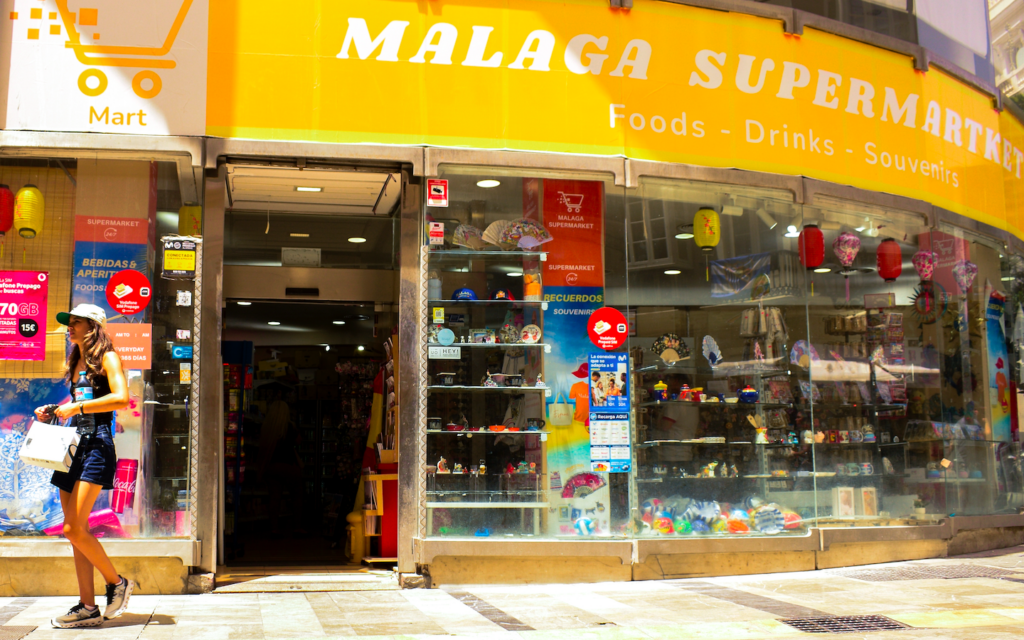
More travellers are now choosing to buy food from supermarkets. Photo credit: No-Mad/Shutterstock
Spain’s tourism industry is facing a new reality. While visitor numbers continue to grow and the country remains one of the world’s most popular holiday destinations, the way tourists spend their money is beginning to change. For years, the success of Spanish tourism was measured by the number of people arriving, the hotels they filled and the money they spent in restaurants, bars and local businesses.
Behind the record figures, travel agencies are noticing a shift in holiday habits that is beginning to reshape the sector. More travellers are now choosing to buy food from supermarkets and prepare meals themselves during their stay, with agencies reporting a rise in the so-called “supermarket tourist” who shops for groceries to cook in holiday apartments rather than eating out for every meal.
A cheaper way to enjoy a Spanish holiday
The change has been particularly visible in destinations where the cost of accommodation, dining and activities has increased significantly. For many visitors, the holiday budget is being carefully divided, with more money going towards flights, accommodation and experiences while everyday food expenses are being reduced.
Travel agencies say that self-catering accommodation has become increasingly important in this shift. Apartments and holiday homes with kitchens allow visitors to prepare breakfast, lunch or dinner themselves, giving them greater control over spending during their stay.
The change does not mean tourists are abandoning Spain’s restaurants completely. Instead, many are becoming more selective, choosing when to eat out and when to prepare their own meals. A family staying for a week, for example, may decide to cook several nights rather than paying restaurant prices every day.
The Balearics reveal a changing tourist habit
The Balearic Islands are among the places where this change has become especially noticeable. In popular destinations such as Mallorca, Ibiza and Menorca, travel agencies say more visitors are arriving with different spending patterns, including buying groceries from supermarkets to use in their accommodation.
The development comes as businesses across Spain debate the difference between attracting more tourists and ensuring those visitors generate greater economic benefits locally. A holidaymaker buying food in a supermarket contributes differently to the economy compared with one regularly visiting restaurants, bars and other leisure businesses.
However, tourism experts warn against viewing the rise of supermarket shopping as a simple sign that visitors are spending less overall. Many tourists continue to spend on accommodation, transport, excursions and activities, but they are changing where their money goes.
Tourists adapt as prices continue rising
The rise of the “supermarket tourist” reflects a change in travel behaviour across Europe. As holidays become more expensive, many visitors are looking for ways to maintain their trips while reducing daily costs.
For some travellers, supermarket shopping has also become part of the holiday experience. Buying local products, preparing meals with Spanish ingredients and enjoying food in an apartment or holiday rental can be seen as a different way of experiencing the destination.
The challenge for Spain’s tourism industry is understanding these changing habits. Restaurants, bars and smaller businesses in tourist areas depend heavily on visitor spending, particularly during the busiest months of the year, and changes in consumer behaviour can have a direct impact on their income.
More tourists, but a different type of spending
Spain is still attracting millions of visitors every year, and there is little sign that international demand is weakening. However, the rise of the supermarket tourist shows that the success of the tourism sector cannot only be measured by arrival figures.
The new pattern suggests that holidaymakers are becoming more cautious and adapting to a more expensive travel environment. They are still choosing Spain, but they are making different decisions about how they spend their money once they arrive.
For businesses and authorities, the challenge will be ensuring that tourism continues to benefit local communities as visitor habits evolve. The tourist of today may still be enjoying Spain’s beaches, culture and climate, but increasingly, part of their holiday is being planned around the contents of a supermarket trolley.
Follow Euro Weekly News on Google News
Get breaking news from Spain, travel updates, and expat stories directly on your Google News feed.
Follow on Google NewsSign up for personalised news
Subscribe to our Euro Weekly News alerts to get the latest stories into your inbox!
By signing up, you will create a Euro Weekly News account if you don't already have one. Review our Privacy Policy for more information about our privacy practices.





Molly Grace
Molly is a British journalist and author who has lived in Spain for over 25 years. With a background in animal welfare, equestrian science, and veterinary nursing, she brings curiosity, humour, and a sharp investigative eye to her work. At Euro Weekly News, Molly explores the intersections of nature, culture, and community - drawing on her deep local knowledge and passion for stories that reflect life in Spain from the ground up.
Comments