Moroccan olives under scrutiny after dangerous lead levels found in two European batches
By Molly Grace • Updated: 09 Aug 2026 • 0:01 • 3 minutes read
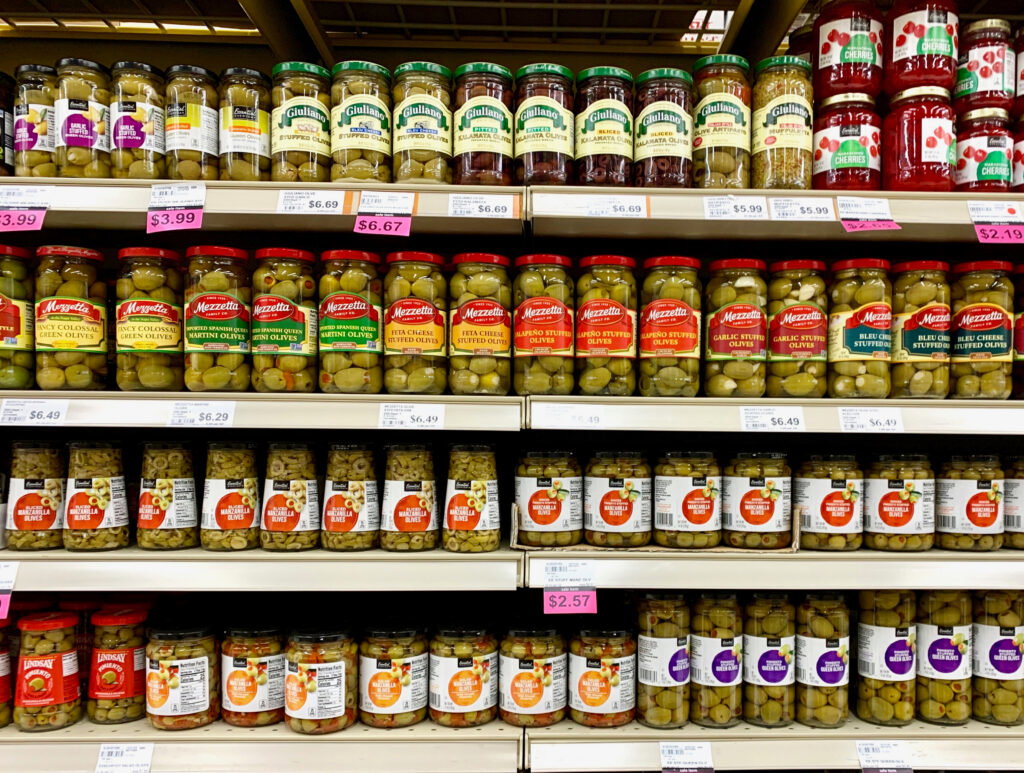
There is currently no indication that the two affected consignments were distributed in Spain. Photo credits: dcwcreations/Shutterstock
You could have a jar of olives in the fridge right now without giving much thought to where they came from. They are one of those everyday foods that can end up on a dinner table, in a salad or beside a drink without anyone checking the country of origin. But two separate batches of Moroccan pitted green olives have now been flagged in Europe after testing found lead levels above the permitted limit.
These findings are not the first, based on results from previous years, evidence shows that Moroccan olives have been known to contain dangerous levels of contaminants, and there is no current warning telling shoppers to throw away olives they already have at home. The two cases concern specific consignments detected in Germany and the Netherlands, with no reported health effects among consumers. For shoppers, however, the figures are significant because both of the cases involved the same type of product and were recorded within a relatively short period. One case was detected by an importing company carrying out its own checks, while the second was found during official market surveillance.
Two different batches trigger alerts
The first case was recorded in the Netherland, testing of a consignment of Moroccan pitted green olives found 0.158 milligrams of lead per kilogram. The European maximum is 0.10 milligrams per kilogram, meaning the measured concentration exceeded the permitted level. The sample had been taken as part of testing carried out by the importing company. The Dutch notification was classified as high risk and the parties involved in the supply chain were informed. The affected consignment was distributed within the Netherlands.
The second case was detected in Germany and notified by German authorities on July 15. A sample taken on February 23 was found to contain 0.239 milligrams of lead per kilogram, with a reported margin of error of 0.086 milligrams. German authorities classified their notification as an information alert requiring attention. The two cases involved different consignments and were not the same shipment being detected twice.
Why lead levels in food matter
Lead is a heavy metal that can accumulate in the body after repeated exposure. It can affect the nervous system and development, with children particularly vulnerable to its effects. That does not mean that eating one of the affected olives would automatically make someone ill. Food limits are designed to control exposure to contaminants and prevent products containing excessive concentrations from remaining in the food supply.
European food safety authorities use laboratory testing to check imported and domestically produced food for contaminants. When a result raises a food safety concern, information can be shared through the EU’s Rapid Alert System for Food and Feed, allowing authorities in different countries to respond where necessary. In these cases, the testing identified the problem before the information became a general consumer warning.
What does it mean for shoppers in Spain?
There is currently no indication that the two affected consignments were distributed in Spain. The Dutch notification concerned a shipment distributed within the Netherlands, while the German case was identified through controls on the German market. There has also been no reported consumer health incident linked to either notification and no general recall of Moroccan pitted olives has been announced.
That means shoppers in Spain do not currently have a reason, based on these two alerts alone, to remove Moroccan olives from their kitchens, though they should question their life choices if they are buying Moroccan olives whilst living in Spain. The findings relate to individual consignments, not every Moroccan olive entering Europe. A food safety alert identifies a particular product and batch that has failed a requirement; it does not automatically mean that all products of the same type or origin have the same problem.
How the problem was detected
In the Netherlands, the importing company discovered the excessive lead level through its own testing. In Germany, the result came from official market surveillance. Both forms of testing can lead to information being passed through the European alert system when a product fails to meet the applicable food safety requirements.
For consumers, the point is that the two alerts are specific to the consignments identified, there is currently no general warning against Moroccan olives in Spain, no reported illness connected with the cases and no indication that the affected products were distributed on the Spanish market.
The alerts nevertheless show why imported food continues to be tested after it enters Europe. A product can pass through the supply chain before laboratory analysis identifies a contaminant above the permitted level. For now, shoppers in Spain can continue buying olives, preferably Spanish ones as we do not lack them! Unless, of course, a specific product or batch is later identified by the local authorities.
Follow Euro Weekly News on Google News
Get breaking news from Spain, travel updates, and expat stories directly on your Google News feed.
Follow on Google NewsSign up for personalised news
Subscribe to our Euro Weekly News alerts to get the latest stories into your inbox!
By signing up, you will create a Euro Weekly News account if you don't already have one. Review our Privacy Policy for more information about our privacy practices.

Molly Grace
Molly is a British journalist and author who has lived in Spain for over 25 years. With a background in animal welfare, equestrian science, and veterinary nursing, she brings curiosity, humour, and a sharp investigative eye to her work. At Euro Weekly News, Molly explores the intersections of nature, culture, and community - drawing on her deep local knowledge and passion for stories that reflect life in Spain from the ground up.
Comments