Thousands of migrating birds fill the skies over Murcia on journey to Africa
By Natascha Rivera • Updated: 08 Sep 2026 • 16:03 • 2 minutes read
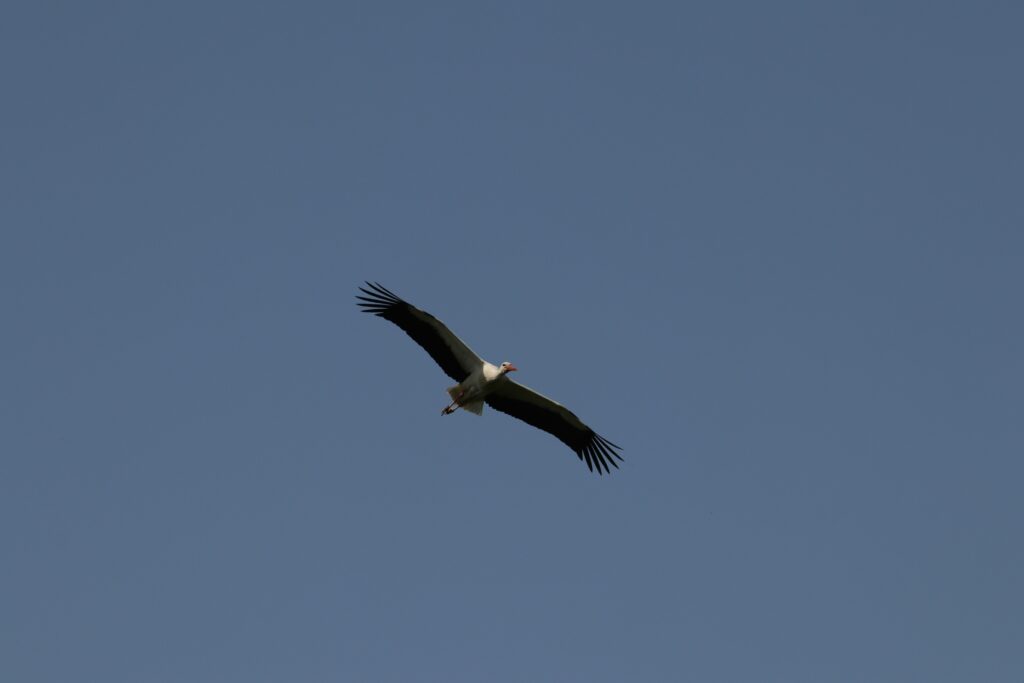
Thousands of migratory birds fill Murcia's skies heading to Africa. Photo Credit: Frank / Unsplash
One of the most extraordinary seasonal spectacles in Spain can currently be seen across the Region of Murcia: thousands of migratory birds are taking to the skies, embarking on their annual journey towards Africa. The birds can be seen in large migratory formations in the sky, specifically over the fields of the Altiplano, the rice paddies of the northwest, and the dry slopes of the Guadalentín.
Ancient aerial routes across Spanish skies: Thousands of birds take flight
The bird migration, typically associated with the month of September, actually began earlier this year, in mid-July. Both adult birds and young juveniles born during the spring and summer join this massive movement across the Iberian Peninsula, and rather than flying in a straight line towards Africa, the birds travel along established aerial routes, following warm air currents rising from the mountains, which happen to largely pass over areas in the Region of Murcia.
The species soaring south: Storks, honey buzzards, swallows, and more
To be specific, the birds that are migrating are white storks, colourful European bee-eaters, black kites, European honey buzzards, short-toed eagles, house martins, and swallows. The storks fly on thermal currents above freshly-harvested agricultural fields, and the bee-eaters are known for the noise they make as they fly.
Vital stopover points under threat
The Region of Murcia is an essential pit stop for the incredible animals, where they can feed, rest, and rebuild energy before attempting their exhausting and hazardous crossing into Africa. In particular, local wetlands, rice paddies, cereal fields, and open ponds teeming with fish and other sources of nutrients are crucial for the birds to feed and hydrate.
Conservationists stress the importance of protecting these natural stopover points for the birds, preserving their long-term survival. Habitat degradation is one of the largest risks faced by these migratory species, which depend on healthy, thriving ecosystems as they travel.
The perilous journey to Africa: Hazards facing Europe’s migratory birds
In addition to habitat degradation, birds face significant hazards during their journey, including collision with power lines and extreme weather conditions. Despite these risks, the sheer volume of migrating wildlife remains staggering: data gathered by the Migres monitoring programme at the Strait of Gibraltar, the area where European birds converge before crossing to Africa, recorded over 54,000 black kites, nearly 28,000 white storks, and more than 11,000 honey buzzards during the final week of August alone.
Many of the birds that can be seen passing over Murcia will spend the winter in North Africa or the sub-Saharan Sahel region, others remain in southern Spain. For residents and visitors in Murcia, the spectacle is a vivid glimpse into the natural world, requiring nothing more than looking up to witness one of the planet’s great natural wonders.
Follow Euro Weekly News on Google News
Get breaking news from Spain, travel updates, and expat stories directly on your Google News feed.
Follow on Google NewsSign up for personalised news
Subscribe to our Euro Weekly News alerts to get the latest stories into your inbox!
By signing up, you will create a Euro Weekly News account if you don't already have one. Review our Privacy Policy for more information about our privacy practices.





Natascha Rivera
Natascha is a Dominican writer based in Spain with a background in audiovisual and marketing communication. A lifelong reader and passionate storyteller, she brings a creative edge to her work at Euro Weekly News. Her multicultural perspective informs her coverage of lifestyle and community stories, offering fresh angles and relatable storytelling that connects with a diverse audience.
Comments