A two-storey cocktail bar at 180mph? Inside Eurostar’s new double-decker trains
By Lucy Ramnought • Published: 17 Sep 2026 • 13:46 • 2 minutes read
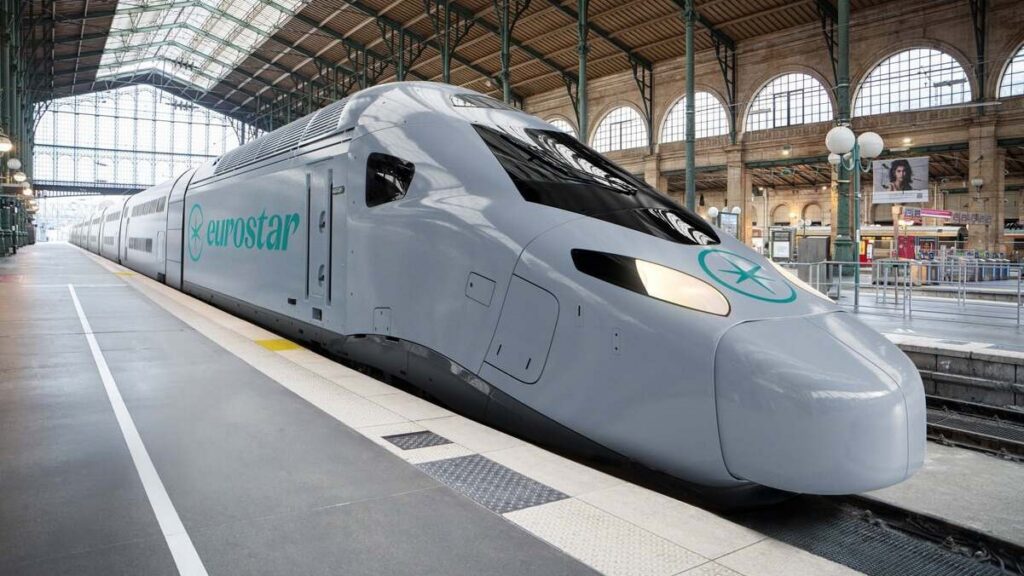
New fancy fleet Credit: Alstom/FB
No more sweaty packet sandwich and a gin and tonic in a can. Eurostar is taking cross-Channel travel to a whole new level with a fresh double-decker fleet.
Eurostar’s ‘heavenly’ double-decker trains for 2031
Rail travellers crossing the Channel have something glamorous to look forward to. Eurostar has lifted the curtain on a show-stopping feature for its next-generation fleet: two-storey cocktail bars built into double-decker trains that aim to turn journeys into occasions.
Eurostar Celestia, the brand name chosen for the new all-electric high-speed sets, will carry around 20 per cent more passengers than today’s single-decker e320s. The operator has ordered 30 trains from Alstom under a €2 billion (£1.7 billion) agreement, with an option to expand the fleet to 50 units as demand grows. Each 200-metre train is designed with roughly 540 seats, meaning a standard 400-metre formation through the Channel Tunnel could host about 1,080 travellers. Bigger capacity supports Eurostar’s goal to lift annual passenger numbers from around 20 million to 30 million.
Double-decker bars open to every passenger
Two-level bars are part of the new Celestia experience. Staff will host both floors, serving cocktails and other drinks in a setup inspired by the existing Eurostar Premier lounge at London St Pancras, where mixologists craft hundreds of beverages daily. Designers plan distinct atmospheres upstairs and downstairs to make the most of the double-height views, creating a social space where Standard and Premier ticket holders can mingle. Access will not be restricted to premium customers; every traveller on board can step in for a drink.
Eurostar describes the name Celestia as meaning “heavenly”, a nod to the idea of lifting everyday rail travel into something more memorable. Company bosses have called the two-storey bar the “star attraction” of the bespoke train design.
Routes, timing and climate-ready engineering
First deliveries are scheduled for May 2031, with six trains expected in service across current destinations plus new routes to Geneva and Frankfurt. The fleet is built to run into the 2060s, so durability and comfort under extreme weather are key design priorities. Air conditioning systems are rated to operate in temperatures up to 55°C, ensuring comfort as summers grow warmer over the trains’ planned lifespan. This decision follows record-breaking heatwaves across Europe in recent years.
Rivalry for cross-Channel passengers is intensifying, and Eurostar is hoping that atmosphere and capacity will win custom. Virgin Trains aims to launch London–Paris and Brussels services from 2030, while Italy’s FS Group (Trenitalia France) targets 2029 for its own London–Paris route.
Follow Euro Weekly News on Google News
Get breaking news from Spain, travel updates, and expat stories directly on your Google News feed.
Follow on Google NewsSign up for personalised news
Subscribe to our Euro Weekly News alerts to get the latest stories into your inbox!
By signing up, you will create a Euro Weekly News account if you don't already have one. Review our Privacy Policy for more information about our privacy practices.

Lucy Ramnought
Lucy Ramnought is a local news writer and mother of 4 from the UK who has lived in the Costa Del Sol for just over 4 years. With a background in content writing and social media for various companies, and with vast experience in PA and project management, Lucy is committed to producing accurate, engaging and reliable stories to her work at Euro Weekly News.
Comments