Night is the new day. Why Spain’s travellers are waiting for dark
By Lucy Ramnought • Published: 17 Sep 2026 • 14:52 • 2 minutes read
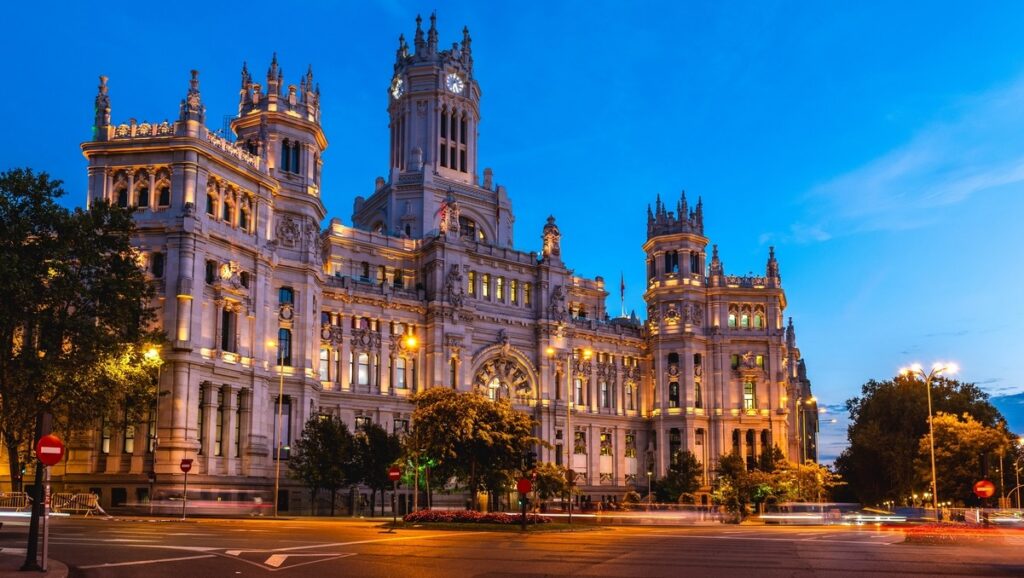
Fun after the sun Credit: Richie Chan/shutterstock
Sunsets in Madrid and Barcelona no longer signal that the day’s sightseeing is over. More and more visitors to Spain are now showing that’s when the real adventure begins, and it doesn’t involve a bar or sticky dancefloor.
Why is this trend growing in Spain
Dubbed “noctourism”, this way of exploring destinations after sunset has grown well beyond its old role as a summer workaround for scorching afternoons. Spain’s Centre for Sociological Research (CIS) found that 82.5% of Spaniards believe climate change will have a negative impact on tourism in the country, against just 10.5% who expect a positive one, according to its annual survey of 6,029 people carried out this July.
Stargazing, night markets and a booming niche
Money is following the trend with dark-sky and stargazing tourism alone valued at roughly $1.8 billion (about €1.6 billion) in 2025 and is forecast to climb towards $4.5 billion by 2034, growing at close to 11% a year. Night-time experiences now make up an estimated 22% of new adventure-tourism products, a sharp rise from around 8% in 2020.
In Spain, Madrid and Barcelona are investing in illuminated heritage walks and late openings at cultural landmarks, redirecting some of the footfall that once crowded daytime attractions. Cities across Europe are also cashing in. Brussels, Prague and Vienna have built thriving night markets, Paris now runs dedicated after-dark tours, and several major museums have extended their opening hours well past sunset.
Unpolluted skies and moonlit dinners
Inland and rural regions with skies free from light pollution are drawing stargazers, moonlit diners and travellers keen to spot nocturnal wildlife on eco-tourism routes. Pontevedra in Galicia and Tarazona’s cathedral, which now hosts a light-and-sound show once darkness falls, rank among the destinations benefiting most.
Gen Z and millennials appear to be the ones steering much of the change, favouring wellness-focused, culturally rich outings over the bars-and-clubs nightlife once associated with holidays in Spain. Digital detox, calmer surroundings and a genuine escape from the heat are proving a stronger draw than a loud dance floor.
Rather than replacing daytime tourism, evening visits are helping Spain spread footfall more evenly across the clock, easing pressure on overcrowded monuments and natural sites while giving hoteliers and restaurateurs fresh reason to keep trading long after sunset.
To read in full about what ‘Noctourism’ is, you can do so here in a previous article by EWN.
Follow Euro Weekly News on Google News
Get breaking news from Spain, travel updates, and expat stories directly on your Google News feed.
Follow on Google NewsSign up for personalised news
Subscribe to our Euro Weekly News alerts to get the latest stories into your inbox!
By signing up, you will create a Euro Weekly News account if you don't already have one. Review our Privacy Policy for more information about our privacy practices.



Lucy Ramnought
Lucy Ramnought is a local news writer and mother of 4 from the UK who has lived in the Costa Del Sol for just over 4 years. With a background in content writing and social media for various companies, and with vast experience in PA and project management, Lucy is committed to producing accurate, engaging and reliable stories to her work at Euro Weekly News.
Comments