British couple’s Spanish dream in ruins as their mobile home on their land is declared illegal
By Molly Grace • Published: 22 Sep 2026 • 23:16 • 4 minutes read
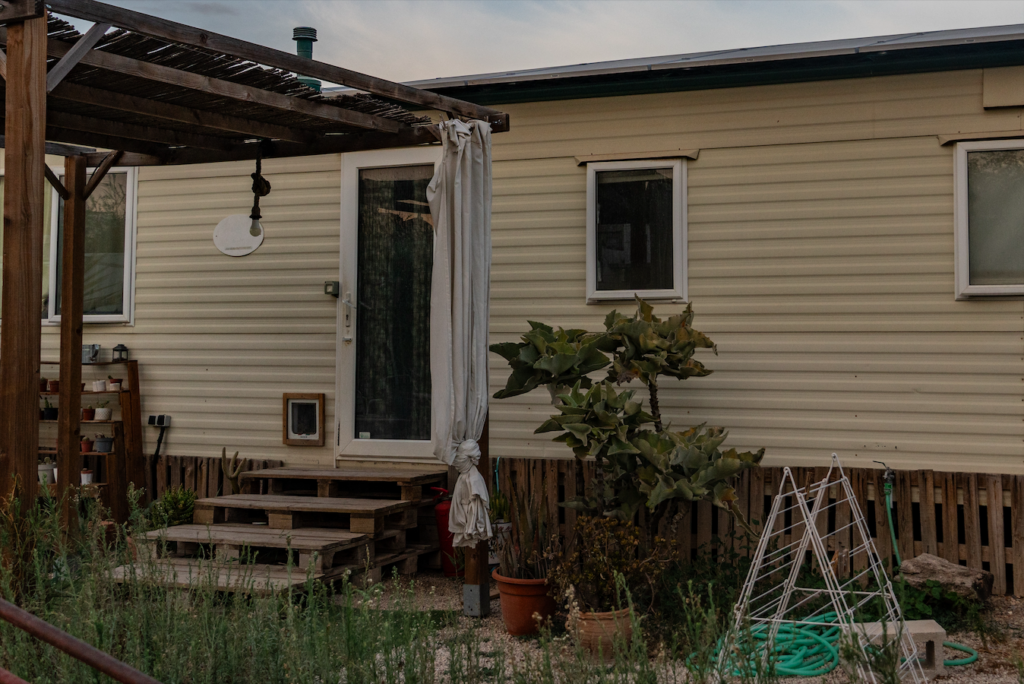
The couple say they understood that having a non-permanent home on their rural property was permitted. Photo credit: Juanamnc/Shutterstock
Moving to Spain is a dream for many that only some ever accomplish. It can take years of planning, saving and investing before the keys to that little piece of Spanish paradise finally become a reality. But for one British couple from Bristol, their dream of escaping busy city life and creating a simple rural home in Granada has turned into a nightmare after they were told their mobile home must be removed from their land.
Amy and Mike bought their rural property in 2024, with the intention of eventually leaving their old life behind and creating their own little piece of paradise. They finally moved onto the land in April this year, after buying a mobile home and beginning to build the life they had spent years working towards.
Building a life from scratch
Now, not even five full months later, they say they have been told that the mobile home is illegal and must be removed immediately. “It’s come as a huge shock,” Amy says. “We were under the understanding that non-permanent housing was perfectly legal on the land. We’re really worried with what to do.”
The couple’s new home was never intended to be a conventional Spanish property. Their aim was to live simply and make the most of the land they had bought. They installed solar electricity, while their water comes from a well already located on the property. They have also started growing their own vegetables and keeping animals, including chickens and a goat which they milk themselves.
For Amy and Mike, this is not simply a holiday property or somewhere they occasionally visit. It is their home. “It’s a huge slap in the face, to be honest,” Mike says. “This was our dream and it’s our land. We’re not hurting anyone.” The couple say they understood that having a non-permanent home on their rural property was permitted, which is why the latest warning has left them trying to work out what they can do next.
Why can a mobile home be illegal?
The problem is that Spanish planning law does not necessarily treat a mobile home as a vehicle simply because it has wheels and can physically be moved. In Andalucía, planning rules can apply to mobile homes, prefabricated houses, fixed caravans and similar installations when they are placed on land for residential use. Regional regulations require authorisation for such installations, with exceptions including authorised camping and tourism areas where they are permitted.
The main issue is the classification and permitted use of the land. Buying suelo rústico, or rural land, does not automatically give an owner the right to establish a home on it. Agricultural, livestock and forestry activities can be permitted on rural land, while residential uses are subject to specific planning conditions and, depending on the circumstances, the necessary authorisations. This means that putting a house on wheels does not necessarily provide a way around planning regulations.
Andalucía is cracking down
The issue is not unique to Amy and Mike’s property. The Junta de Andalucía’s 2023–2026 inspection plan specifically identifies prefabricated houses, fixed caravans, mobile homes and even shipping containers among installations being used to create residential developments outside planning controls. There has also been growing scrutiny of mobile homes in Málaga province. In 2025, Seprona identified 62 allegedly illegal cases involving mobile homes as part of Operation Murus, with the Fiscalía de Málaga investigating their use on rural land.
The concern for authorities is not simply whether something has wheels. A mobile home can become a planning issue when it is installed with the intention of remaining on the land and being used as a permanent residence. Connections to water and electricity, septic systems, terraces, fencing and other infrastructure can also be relevant when authorities assess whether a supposedly temporary installation has effectively become a residential development.
‘We could be left homeless’
For Amy and Mike, the legal difference between a mobile home and a conventional house does little to ease the immediate problem. They have invested money in the land and in making it habitable, only to be told that their home now has to go. Mike says they were given the impression before buying the property that their plans were permitted. The first indication that there could be a problem came when the couple went to the Ayuntamiento to register on the Padrón, Spain’s municipal register.
They say they were informed that they could not register their address on the land. Shortly afterwards, they received a visit from the Junta and were issued with paperwork telling them that the mobile home was illegal and had to be removed. “We were told by the notaría and land owner that we could put a caravan or mobile home on the land as long as it was not cemented or ‘fixed’ to the ground,” he says. “However, when the Junta came, we were just issued papers and told to get it off, that it was illegal.
We feel let down and taken advantage of.” The couple now face the possibility of having to dismantle the life they have spent months creating, despite owning the land itself. “We need to think where we can go, because we will have nowhere to put our home and we will be left homeless,” Amy says, but Mike is not ready to give up. “I don’t really want to move,” he says. “We’ve spent a lot of money on the land and setting it all up, so there must be some way around it.”
Is there a way to stay?
Whether Amy and Mike can legally remain on the property will depend on details specific to their land and municipality. The classification of the plot, local planning regulations, whether the land is protected, the permitted uses and the precise nature and installation of the mobile home can all affect the outcome. Andalucía’s planning framework does allow certain residential uses on rural land in specific circumstances, but these are subject to planning requirements and authorisation.
For the couple, the priority now is finding out whether their situation can be regularised or whether the removal order leaves them with no option but to take their home elsewhere. After finally achieving their dream of leaving Britain behind and building a quiet life in the Granada countryside, Amy and Mike now face the possibility that the piece of Spain they bought for their future may not legally be able to accommodate the home they brought with them.
Follow Euro Weekly News on Google News
Get breaking news from Spain, travel updates, and expat stories directly on your Google News feed.
Follow on Google NewsSign up for personalised news
Subscribe to our Euro Weekly News alerts to get the latest stories into your inbox!
By signing up, you will create a Euro Weekly News account if you don't already have one. Review our Privacy Policy for more information about our privacy practices.





Molly Grace
Molly is a British journalist and author who has lived in Spain for over 25 years. With a background in animal welfare, equestrian science, and veterinary nursing, she brings curiosity, humour, and a sharp investigative eye to her work. At Euro Weekly News, Molly explores the intersections of nature, culture, and community - drawing on her deep local knowledge and passion for stories that reflect life in Spain from the ground up.
Comments