Is Halloween cancelled in Spain? Would it be disrespectful to continue with events?
By Adam Woodward • Updated: 29 Oct 2026 • 19:44 • 3 minutes read
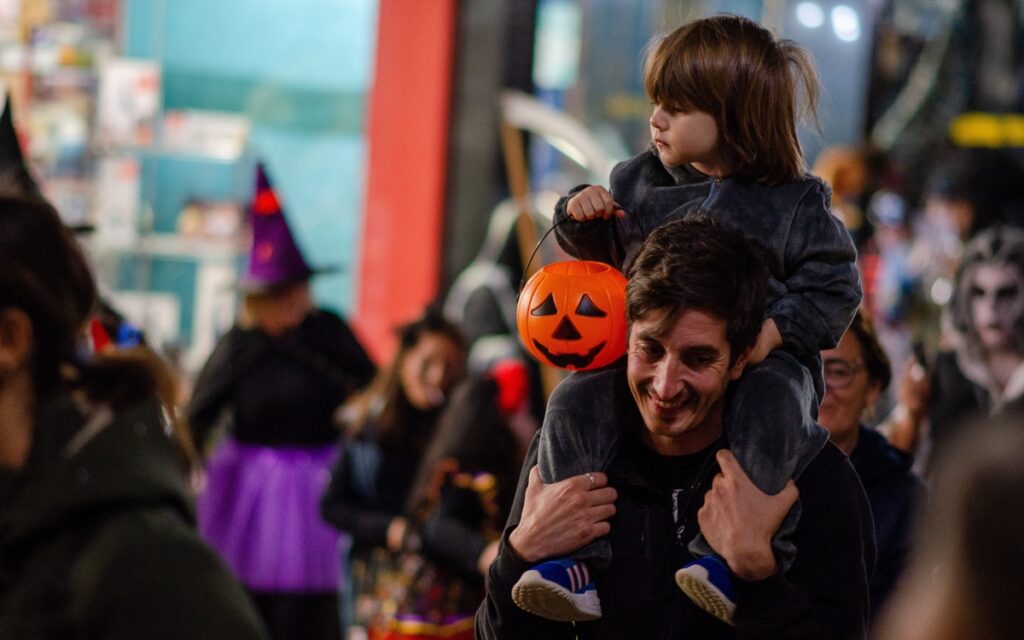
Halloween celebrations in Luarca, Spain. Credit: Ksjundra07 - Shutterstock
Halloween celebrations across Spain have been thrown into uncertainty following the tragic train accident in Toledo, with many town halls cancelling their organised events as the country observes three days of official mourning.
The decision has left British and other foreign residents facing an awkward question: Would it be considered disrespectful to carry on with Halloween parties, children’s activities and charity fundraisers while families mourn those killed in the disaster?
Is Halloween officially cancelled in Spain?
No. Spain’s government has declared official mourning from midnight on Thursday, October 29, until midnight on Saturday, October 31, following the fatal railway accident in Urda, Toledo province. The official decree declaring three days of national mourning sets out the dates and requires national flags to fly at half-mast on public buildings and naval vessels.
It does not, however, impose a blanket ban on private Halloween parties or gatherings. Readers can also consult the Spanish government’s announcement of the official mourning period. Nevertheless, numerous town halls have cancelled or postponed their Halloween programmes as a gesture of unity with the victims and their families.
Malaga Council, for example, has cancelled its council-run Halloween activities, including children’s parties and horror attractions, as confirmed in its official announcement cancelling municipal Halloween events. Estepona has also suspended its planned celebrations and other municipal leisure activities, according to the town hall’s Halloween cancellation notice.
However, decisions are not uniform across Spain. In an example of a different approach, Denia has decided to continue with its Halloween celebrations despite the official mourning period.
Private venues, businesses, associations and charity organisers must therefore distinguish between events cancelled by their organisers or local authorities and those that are still going ahead. National elections are looming, and local elections in a few months. Politicians will want to be on their best behaviour and maintain a sombre look for several days yet.
Would continuing with Halloween be disrespectful?
There is no single answer that will satisfy everybody. While some people may feel that all celebrations should stop during a national tragedy, others will see no contradiction between paying their respects and allowing children to enjoy an activity they have been anticipating for weeks.
The nature of the event also matters. A children’s fancy-dress party, a community fundraiser and a nightclub’s graphic horror spectacular are very different types of occasion.
Organisers who decide to proceed could consider acknowledging the tragedy at the beginning of an event, removing particularly insensitive imagery and adapting their entertainment to reflect the sombre national mood.
Charity events present another consideration. Cancelling a fundraiser could mean losing money intended for a worthwhile cause, although postponement or a quieter format may be appropriate in some circumstances.
What happened after the Valencia DANA tragedy?
Spain faced a similar dilemma in October 2024, when devastating DANA floods killed more than 200 people, particularly in the Valencia region.
The government declared three days of national mourning, and some council-organised Halloween activities were cancelled or postponed. EWN reported on the decisions in its contemporary article, Three days of national mourning as councils cancel Halloween celebrations.
However, private celebrations did not universally stop. That experience provides useful context, although it does not determine what is appropriate this year. Every tragedy is different, and local circumstances and the wishes of affected communities are what is important.
Security concerns add another consideration for politicians
Reports about planned disturbances over the Halloween weekend have also raised questions about public safety, including claims that some participants might use costumes to conceal their identities. This may have played a part in local council decisions on official Halloween festivities.
EWN has reported on the Halloween security warnings and online calls for gatherings in Spain. Such claims should be treated cautiously unless confirmed by reliable sources or the police. Halloween disguises are commonplace and are not, by themselves, evidence of criminal intent.
Private organisers should follow official security advice, check any relevant restrictions and contact the authorities if they have credible concerns about a particular event.
A personal decision for private organisers
For expats worried about appearing uncaring, continuing with a private event does not automatically mean disregarding the victims. Equally, postponing a celebration can be a sincere gesture of respect.
The most considerate approach is to acknowledge the tragedy, check local announcements and consider whether the event’s format is appropriate during the mourning period.
Anyone planning to attend a council-organised celebration should confirm that it is still taking place before setting off.
Ultimately, Spain’s official mourning period is a time for unity with those affected by the train disaster. How private organisers balance that responsibility with family traditions, community activities and charitable commitments is a decision that deserves sensitivity rather than automatic condemnation.
When in Rome, and all that. Most non-official, non-council-run Halloween celebrations have not, for the time being, been cancelled.
Follow Euro Weekly News on Google News
Get breaking news from Spain, travel updates, and expat stories directly on your Google News feed.
Follow on Google NewsSign up for personalised news
Subscribe to our Euro Weekly News alerts to get the latest stories into your inbox!
By signing up, you will create a Euro Weekly News account if you don't already have one. Review our Privacy Policy for more information about our privacy practices.

Adam Woodward
Adam is a writer who has lived in Spain for over 25 years. With a background in English teaching and a passion for music, food, and the arts, he brings a rich personal perspective to his work at Euro Weekly News. As a father of three with deep roots in Spanish life, Adam writes engaging stories that explore culture, lifestyle, and the everyday experiences that shape communities across Spain.
Comments