Quiet approach in Spain: Is the election shaping public emergency advice?
By Adam Woodward • Published: 04 Nov 2026 • 14:41 • 3 minutes read
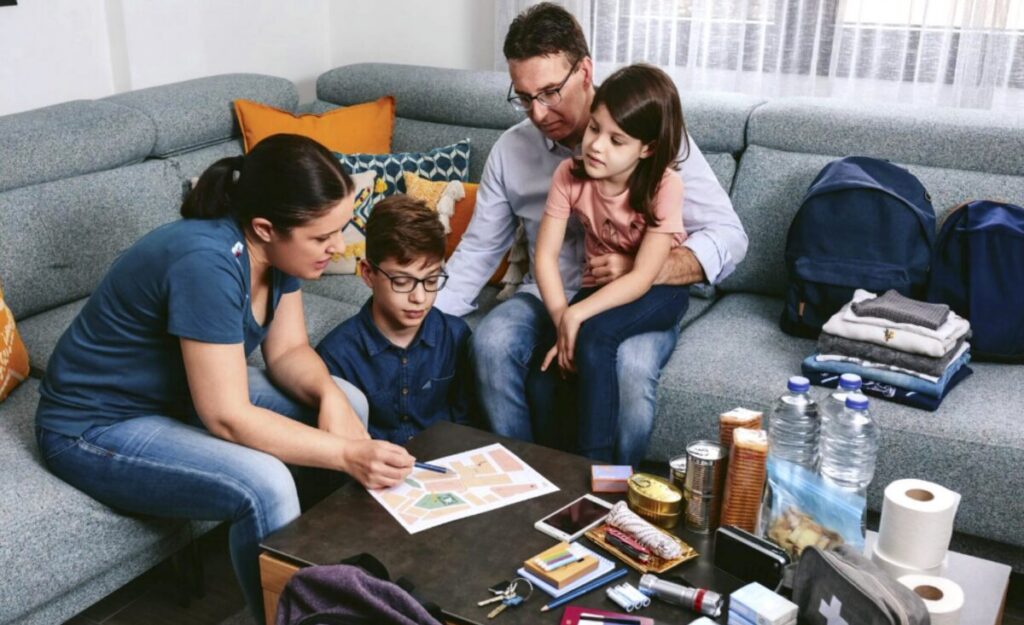
Family preparing 3 days of emergency supplies. Credit: US Army
European governments are intensifying calls for households to prepare for emergencies. Madrid, however, has not announced a comparable nationwide campaign in recent weeks, raising an interesting question.
With a general election due on November 29, could political sensitivities be influencing how loudly Madrid talks about possible crises? There is no evidence that the government has held back advice for electoral reasons, but the contrast is worth thinking about.
Neighbours turn up the volume
Belgium’s National Crisis Centre published an emergency guide on October 1, covering household supplies, reliable information, emergency plans and helping vulnerable neighbours.
Dutch authorities launched a new phase of their nationwide Denk vooruit campaign on October 12. It asks people to consider how they would cope if electricity, water or internet services failed, including who would collect children or help neighbours needing support. The UK followed on October 22 with the first stage of a three-year Be Ready campaign. Updated advice encourages households to take simple, inexpensive steps to manage disruption to power, water, phones and internet services.
Brussels’ new preparedness guidelines, published on November 3, cover household self-sufficiency for at least 72 hours, risk communication, preparedness education and planning that includes people with disabilities.
🚨 EUROPE JUST MADE IT OFFICIAL.
The European Commission just published new guidelines. They call on people to keep supplies to last at least 72 HOURS on their own, and to pack an emergency bag.
23 European countries ALREADY told their people to stock up:
🇦🇹 AUSTRIA: 14 DAYS
🇩🇪 GERMANY: 10 DAYS
🇸🇪 SWEDEN: 1 WEEK
🇳🇴 NORWAY: 1 WEEK
🇨🇭 SWITZERLAND: 1 WEEK
🇪🇪 ESTONIA: 1 WEEK
🇬🇧 UK: 3 DAYS
🇩🇰 DENMARK: 3 DAYS
🇵🇱 POLAND: 3 DAYS
🇬🇷 GREECE: 3 DAYS
🇨🇾 CYPRUS: 3 DAYS
🇮🇸 ICELAND: 3 DAYS
🇫🇷 FRANCE: 72 HOURS
🇳🇱 NETHERLANDS: 72 HOURS
🇧🇪 BELGIUM: 72 HOURS
🇱🇺 LUXEMBOURG: 72 HOURS
🇫🇮 FINLAND: 72 HOURS
🇨🇿 CZECHIA: 72 HOURS
🇱🇻 LATVIA: 72 HOURS
🇱🇹 LITHUANIA: 72 HOURS
🇧🇬 BULGARIA: 72 HOURS
🇭🇷 CROATIA: 2 DAYS
🇮🇪 IRELAND: EMERGENCY KITNow the EU says it too, in OFFICIAL guidelines.
The reasons these countries give: WAR. CYBERATTACKS. Extreme weather.
Covid came with NO warning.
This time the warning comes FIRST.72 hours is only the MINIMUM. Germany says 10 days. Austria says 14.
Don’t stop at 3 days. PREPARE for at least 10.WHAT TO STOCK:
💧 Water
🥫 Food that won’t spoil
💊 Medicines
🔦 Flashlight + batteries
📻 Radio
💵 Cash
📄 Important documents
📋 A family emergency planEmergency numbers: 112 (EU) / 999 (UK) / 911 (US)
Go out NOW and do it.
Most outlets will run this once and move on. I’ll post every new country that adds a warning, so follow me.
— Taegun Lee (@TGLetter) November 3, 2026
Spain’s quieter approach
Spain is not starting from scratch. On October 6, the Interior Ministry announced four new Civil Protection directives covering dangerous-substance accidents, earthquakes, volcanic eruptions and self-protection arrangements. These strengthen public authorities’ response, rather than household awareness.
Catalonia has already issued its own 72-hour household advice, covered in EWN’s report on its emergency-kit campaign, but Madrid has not announced an equivalent new nationwide public campaign compared with recent initiatives elsewhere.
That difference is notable with voters heading to the polls on November 29. Sánchez called the election on October 5, with the official campaign scheduled for between November 13 and 27. A government might be wary of warnings about war, cyberattacks and blackouts being misunderstood or becoming an election issue, what with all the other negative news coming out of Moncloa recently. That is a possibility, not an established explanation.
What do Spaniards think?
A survey for El País and Cadena SER, published in April 2025, found that 44 per cent of respondents intended to prepare an emergency kit after the European Commission’s original recommendation. Twelve per cent said they “definitely would”, while 32 per cent “probably would”. Researchers questioned 2,000 adults online between March 28 and 31; the poll measured intentions, not actual preparations.
Spain’s April 2025 blackout showed how quickly everyday services can stop working. Preparedness also means knowing how to receive alerts, contact family and check on neighbours.
What would go into your emergency cupboard?
Nobody is suggesting households should panic-buy or turn a spare room into a bunker. But, a little forethought makes interruptions easier to manage.
So, if you were putting together a three-day emergency cupboard, what would top your list? Bottled water, tinned food and batteries, or tea, coffee, biscuits and perhaps a little something stronger for morale? Tell us what you would pack. We promise not to judge.
Follow Euro Weekly News on Google News
Get breaking news from Spain, travel updates, and expat stories directly on your Google News feed.
Follow on Google NewsSign up for personalised news
Subscribe to our Euro Weekly News alerts to get the latest stories into your inbox!
By signing up, you will create a Euro Weekly News account if you don't already have one. Review our Privacy Policy for more information about our privacy practices.





Adam Woodward
Adam is a writer who has lived in Spain for over 25 years. With a background in English teaching and a passion for music, food, and the arts, he brings a rich personal perspective to his work at Euro Weekly News. As a father of three with deep roots in Spanish life, Adam writes engaging stories that explore culture, lifestyle, and the everyday experiences that shape communities across Spain.
Comments