Spain’s 2025 blackout one year on: What, why and will it happen again?
By Adam Woodward • Published: 27 Apr 2026 • 18:00 • 4 minutes read
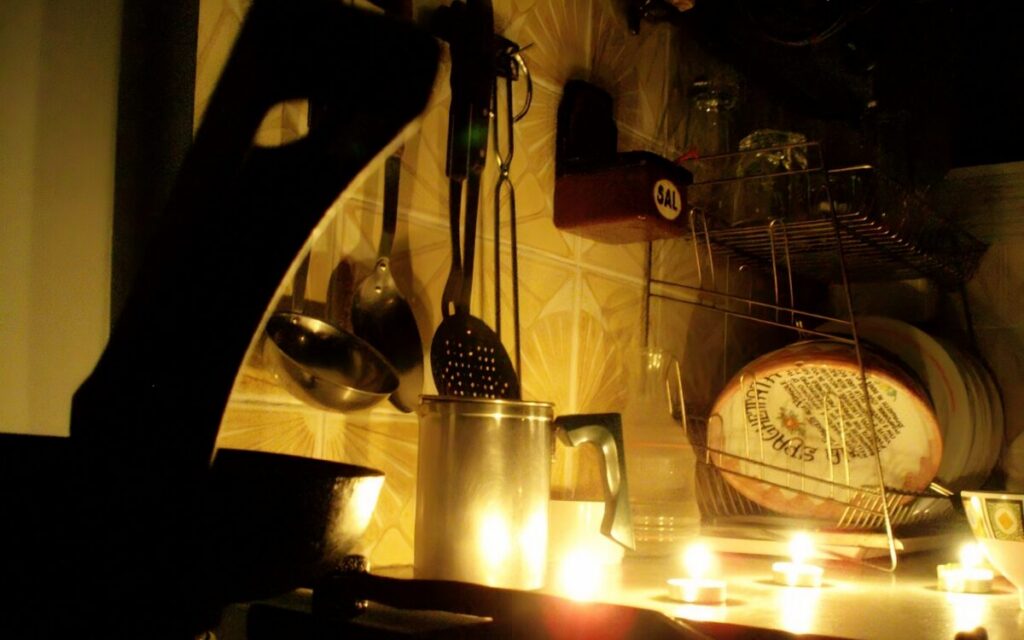
2025 Power outage in Spain. Credit: Irene - Flickr
Sudden darkness suddenly hit Spain and Portugal at 12.33 CEST on April 28, 2025, when the “Apagón”, a massive power outage, struck the Iberian Peninsula without warning. Millions lost electricity in an instant during what became one of the most severe power failures in modern European history. Families paused mid-task, traffic signals failed, leading to road chaos, and passenger-packed public transport ground to a halt as the national grid collapsed in under 90 seconds.
There was panic as dimly lit supermarkets filled with people filling trolleys with essentials, not knowing what was happening or how long the power cut would last, underground train passengers scrambles along the lines to get to day light. Local police tried their best to manage traffic as workers slowly edged their way home, some running out of fuel due to petrol stations unable to work their pumps, and vulnerable people, especially the elderly, left isolated wondering what their fate would be, unable to contact the outside world as the phone network went down.
Light and power slowly return
Northern regions such as the Basque Country; parts of Catalonia, including Barcelona; Galicia; Asturias; Navarra; Aragón; and Cantabria saw power return relatively quickly. Electricity began flowing again from 2pm to 5pm that afternoon in many built-up spots, with some pockets regaining supply within two to six hours thanks to proximity to interconnections and black-start plants. Eastern and central zones, including parts of Madrid, Valencia, Murcia and Castilla-La Mancha, experienced partial restoration from late afternoon into evening, with northern Madrid suburbs reconnecting after roughly six hours. Southern and western areas like Andalucia, Extremadura and Castilla y Leon faced longer waits.
Rural zones reported the worst outages stretching from 10 to 18 hours or more while isolated pockets endured up to 16 or even 24 hours in extreme cases. With populations plunged into complete darkness all night long, with no idea how long the silence and darkness would last. Spain and Portugal were witnessing a terrifying glimpse into a possible future total breakdown of society.
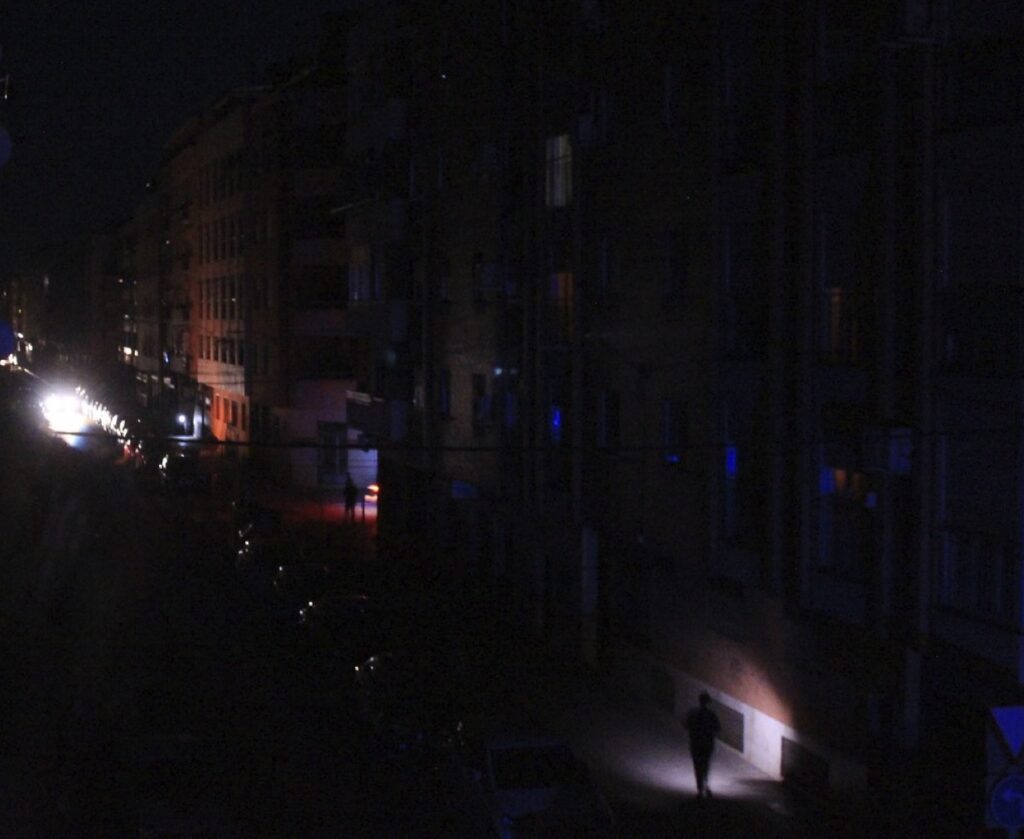
Credit: Gonzalo – Flickr
Losses to businesses in millions
Daily routines collapsed across homes and businesses during those hours. Supermarket refrigeration units warmed up and food spoilt while factories halted production lines and trains stopped mid-journey. Communications faltered and hospitals relied on backup generators to maintain critical care yet postponed non-urgent procedures. Rural communities and industrial sites often waited longest, which compounded frustration for families already coping with the unknown.
Human tragedy in the darkness
Eight deaths occurred in total as direct consequences of the outage. In Galicia three members of one family in Taboadela, Ourense province, an 81-year-old man, a 77-year-old woman and their 56-year-old son, perished from carbon monoxide poisoning after running a generator indoors to power medical equipment. A woman in Madrid’s Carabanchel neighbourhood died in a fire started by a candle used for lighting. Other cases in Spain involved failures of home oxygen or ventilator machines, including one in the Valencia area where a 46-year-old woman lost her supply. Portugal recorded one death of a 77-year-old reliant on a mechanical ventilator when its battery depleted amid delayed emergency help. Over 25 people suffered injuries mainly from smoke inhalation or accidents in darkness, while studies later identified around 147 excess deaths in Spain over three days linked to disrupted healthcare and other knock-on effects.
What caused the massive power outage in Spain and Portugal?
Investigations continue to show no single identifiable cause for the Apagón. Everyone in any kind of power has since denied any responsibility for this, the greatest failure in essential services Europe has known in modern times.
Official reports from the government, CNMC (Spain’s National Commission on Markets and Competition) and grid operators describe a multifactorial failure rooted in voltage surges, oscillations and successive generator disconnections that cascaded rapidly. Red Eléctrica de España, the Spanish national grid, maintains it followed established protocols and activated restoration mechanisms as fast as possible. Electricity companies, on the other hand, have questioned management decisions in the hours beforehand, pointing to earlier signs of instability. The CNMC has opened more than 30 sanction proceedings against Red Eléctrica and ten other companies, yet these remain unresolved and do not yet assign final responsibility. Twelve months later the analysis stays open with differing interpretations among the parties involved. Fingers still point in all directions.
Businesses and households now face the end of the one-year legal window to claim damages from the outage. Those who missed filing with insurers or distributors or requesting suspension of the prescription period can no longer pursue compensation through ordinary channels. Large industrial groups such as Repsol have spoken of plans to seek around €125 million for refinery impacts, while Moeve and electro-intensive sectors, including metal, steel and paper firms, estimate losses near €25 million from halted processes, equipment damage and extra shifts. Many await the CNMC’s conclusions before proceeding to court since no official culprit exists to target directly. Smaller businesses and ordinary families often find the potential legal costs outweigh possible recoveries, which leaves many without clear recourse.
Will a similar power outage hit Spain and Portugal again?
Without any clear causes established, the risk is still there for another comparable event even though post-Apagón measures have lowered the chances. Updated operational procedures, including better voltage control for renewables, rolled out fully by March 2026, along with European expert recommendations on monitoring and defence plans, providing stronger safeguards.
As with many disasters, there is rarely one single point of failure. Experts stress that the 2025 incident arose from a “rare alignment of technical and operational factors” rather than renewables alone and that solutions lie in practical improvements already available.
Full implementation of improvements across the grid will prove decisive in preventing repeats, although the Iberian Peninsula’s limited interconnections with the rest of Europe continue to warrant serious vigilance. Many in Spain and Portugal hope the anniversary serves as a reminder that collective preparedness can keep the lights on in the future and not scare the bejeezus out of everyone again.
Sign up for personalised news
Subscribe to our Euro Weekly News alerts to get the latest stories into your inbox!
By signing up, you will create a Euro Weekly News account if you don't already have one. Review our Privacy Policy for more information about our privacy practices.



Adam Woodward
Adam is a writer who has lived in Spain for over 25 years. With a background in English teaching and a passion for music, food, and the arts, he brings a rich personal perspective to his work at Euro Weekly News. As a father of three with deep roots in Spanish life, Adam writes engaging stories that explore culture, lifestyle, and the everyday experiences that shape communities across Spain.
Comments