A strategic move rooted in Catalonia
Messi’s connection to the region is impossible to ignore. After arriving in Spain as a teenager, he built his legacy at FC Barcelona, becoming the club’s all-time greatest player and a global icon in the process.
Cornellà, located just outside Barcelona, offers both geographic and emotional significance. By choosing a club in this area, Messi is effectively reconnecting with the footballing ecosystem that shaped his career.
Unlike high-profile ownership bids focused on immediate success, this project appears rooted in long-term influence. Messi is expected to play a role in shaping the club’s philosophy, particularly around player development and football identity.
The rise and reputation of UE Cornellà
Founded in 1951, UE Cornellà has spent much of its history outside Spain’s top divisions, but it has quietly built a strong reputation for youth development.
The club has become known for producing technically gifted players who go on to compete at the highest levels of European football. Among its most notable alumni are Jordi Alba and David Raya, both of whom developed through Cornellà’s system before rising to prominence.
This emphasis on nurturing talent aligns closely with Messi’s own footballing values. Having come through Barcelona’s famed La Masia academy, he understands the importance of structured development pathways and technical education from a young age.
The club’s existing infrastructure, combined with Messi’s influence and resources, could elevate Cornellà into a more competitive force within Spain’s football pyramid over time.
Why Messi chose a lower-league club
At first glance, the decision to invest in a lower-division team may seem surprising for one of the richest and most recognisable athletes in the world. However, the move mirrors a growing trend among elite players who are looking to build meaningful football projects rather than simply attach their names to established brands.
By starting at a smaller club, Messi has greater control over strategy, recruitment, and long-term planning. It also allows for a more authentic footballing project, where success is measured through development and progression rather than immediate trophies.
There is also less financial pressure compared to owning a top-flight club, enabling a more patient and sustainable approach. This could include investments in academy facilities, scouting networks, and coaching structures, areas that often define long-term success.
Balancing ownership with an active career
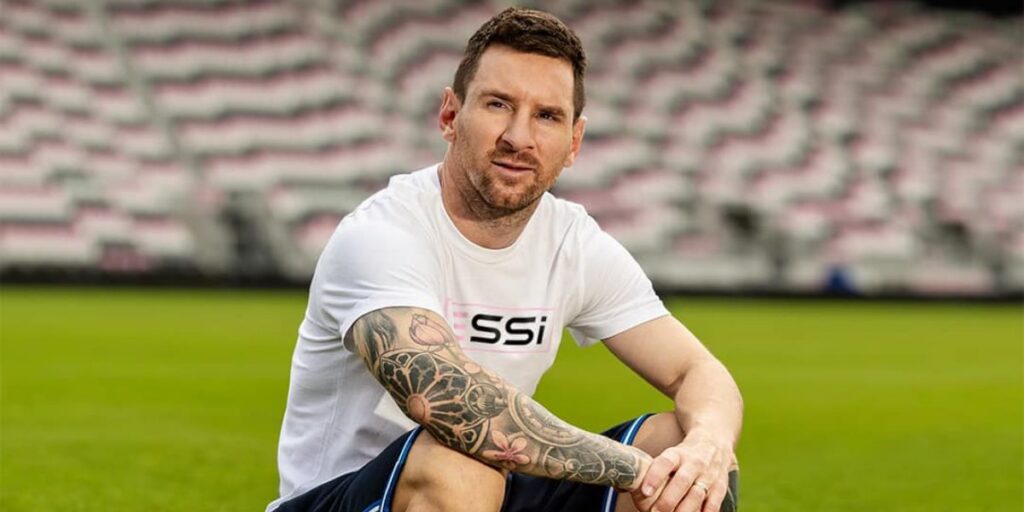
Despite this major off-field move, Messi remains fully committed on the pitch with Inter Miami CF.
Since joining the MLS side, he has continued to perform at an elite level, attracting global attention and raising the league’s profile. His presence has had a transformative impact on football in the United States, both commercially and competitively.
Balancing club ownership with an active playing career is rare, but not unprecedented. However, Messi’s global stature makes this situation particularly unique. His decisions will likely be closely watched as a blueprint for future athlete-owners.
A growing trend among football icons
Messi is not the first high-profile footballer to step into ownership. Figures like David Beckham have successfully transitioned into club-building roles, most notably with Inter Miami itself.
However, Messi’s approach appears more focused on technical and developmental aspects rather than brand expansion alone. His experience at the highest level of the game gives him a unique perspective on what young players need to succeed.
This could position Cornellà as a hub for emerging talent, potentially attracting prospects who want to develop within a system shaped by one of football’s greatest minds.
What this means for Messi’s legacy
For Messi, who has already achieved everything possible as a player, including multiple Champions League titles and a World Cup, this move represents the beginning of a new chapter.
Ownership allows him to influence the sport in a fundamentally different way. Instead of deciding matches, he now has the opportunity to shape careers, build systems, and leave a lasting structural impact on football.
While it may take years for the full effects of his investment to be seen, the intent is clear: this is not a vanity project. It is a calculated step toward long-term involvement in the game.
As his playing days gradually wind down, Messi is positioning himself not just as a legend of the past, but as a key figure in football’s future.




Lottie Verrier
Lottie Verrier is a journalist and digital media specialist based in Mallorca. After a decade in London media, including a role as Deputy Editor for the MailOnline’s eCommerce division, she now combines her editorial expertise with a passion for the island to create engaging content that celebrates the best of life in Spain. Instagram @lottieinmallorca
Comments