Pedreguer, a small municipality on Spain’s Costa Blanca, is gaining national attention after emerging as the top performer in organic waste collection within the Consorci Mare network. Its commitment to sustainability has not only reduced environmental impact but also secured the largest financial reward distributed by the consortium this year.
The town received €24,151 for 2025, the highest bonus awarded, recognising its efficiency in separating and collecting bio-waste. While many municipalities struggle to meet recycling targets, Pedreguer has quietly built a system that delivers consistent, measurable results.
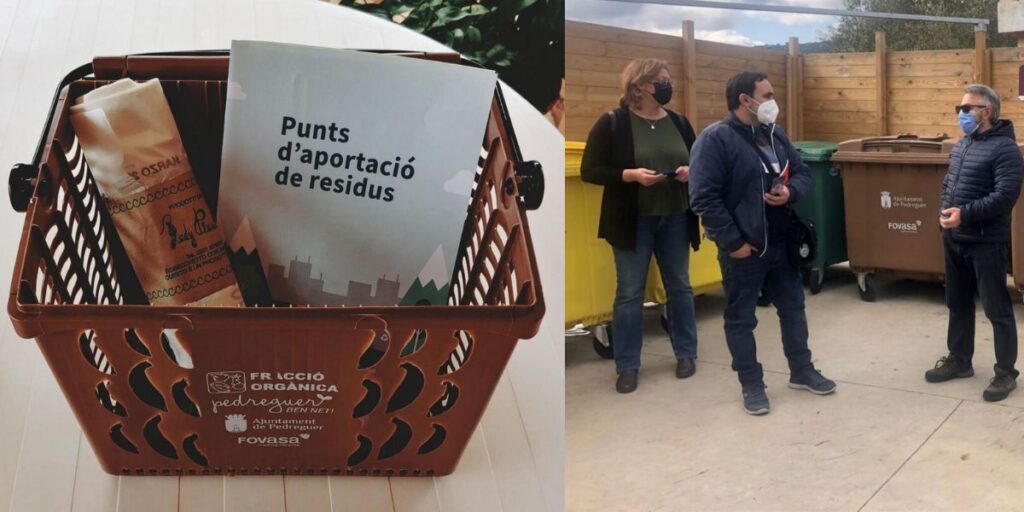
At the heart of this success is a door-to-door collection model that has transformed how residents handle their waste. Instead of relying solely on communal bins, households are actively involved in sorting organic materials, leading to higher-quality recycling and significantly less contamination.
The numbers speak for themselves. Pedreguer contributed more than 427 tonnes of bio-waste – accounting for roughly 29% of the consortium’s total. For a town of its size, this is a remarkable achievement and places it well ahead of neighbouring municipalities.
A system that rewards effort
The Consorci Mare has distributed over €84,000 in bonuses among its member towns, with funds allocated based on performance in organic waste separation. The initiative is designed to encourage better recycling habits by directly rewarding those that make tangible improvements.
Pedreguer’s top ranking highlights how smaller communities can outperform larger ones when systems are implemented effectively and residents are engaged. Rather than relying on scale, the town has focused on precisionensuring that waste is sorted correctly at the source.
This approach not only improves recycling rates but also reduces the cost and complexity of processing waste later. Cleaner organic material can be more easily converted into compost, supporting a circular economy that benefits both the environment and local agriculture.
Community at the core
A key factor behind Pedreguer’s success is the active participation of its residents. The door-to-door system requires commitment, consistency, and awareness, qualities that the community has clearly embraced.
Local campaigns and education efforts have played a significant role in fostering this behaviour. By helping residents understand the environmental and financial benefits of proper waste separation, the town has built a culture of responsibility around recycling.
This collective effort demonstrates that meaningful environmental change often begins at the local level. When individuals feel involved and informed, they are more likely to adopt sustainable habits that make a lasting difference.
Setting a benchmark for others
Pedreguer’s achievement is particularly notable given that it is not among the largest financial contributors to the consortium. Despite this, its efficiency has allowed it to outperform towns with greater resources but less effective systems.
The success story offers a clear blueprint for other municipalities looking to improve their recycling performance. Investing in accessible collection systems, prioritising education, and encouraging community participation can yield significant results.
As regions across Spain and Europe face increasing pressure to meet environmental targets, models like Pedreguer’s are becoming increasingly valuable. They show that progress does not necessarily require large-scale infrastructure—sometimes, smarter systems and stronger community engagement are enough.
Ultimately, Pedreguer’s recognition is more than just a financial win. It signals a shift towards more accountable and sustainable waste management practices, proving that even small towns can lead the way in tackling one of today’s most pressing environmental challenges.


Lottie Verrier
Lottie Verrier is a journalist and digital media specialist based in Mallorca. After a decade in London media, including a role as Deputy Editor for the MailOnline’s eCommerce division, she now combines her editorial expertise with a passion for the island to create engaging content that celebrates the best of life in Spain. Instagram @lottieinmallorca
Comments