Why Europe wants to modify the future of your holidays in Spain
By Adam Woodward • Published: 04 May 2026 • 15:31 • 3 minutes read
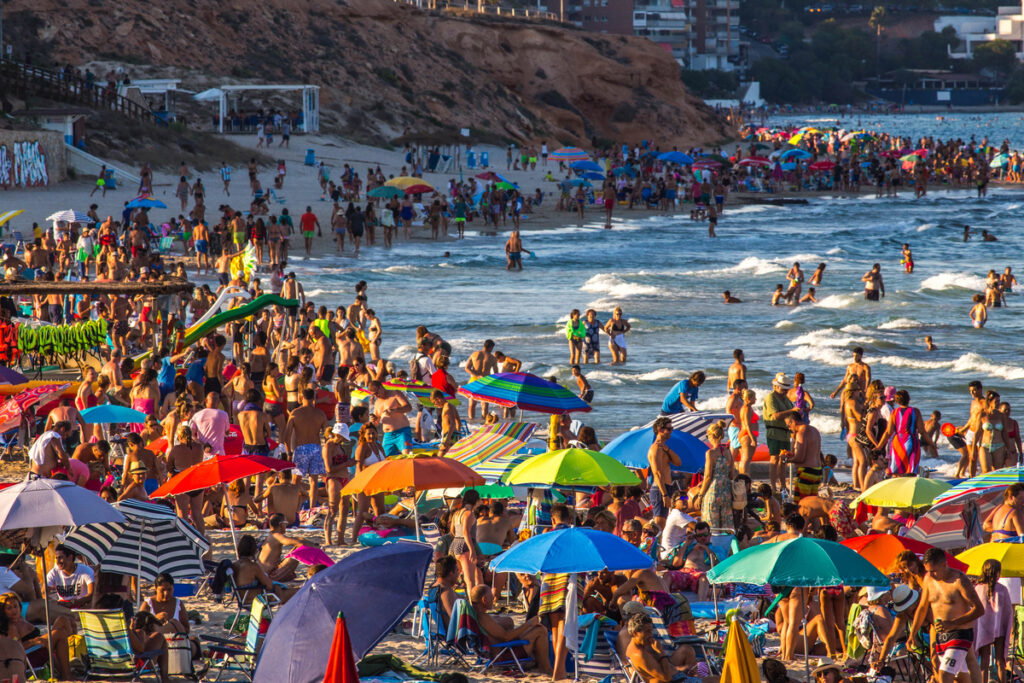
Mil Palmeras, Spain, in the summer. Credit: Lukas Jonaitis - Shutterstock
Europe’s most iconic landmarks are currently buckling under the weight of their own popularity, according to the European Commission, leading to a radical rethink of how the continent manages its holiday visitors. Residents in cities like Venice and Barcelona are increasingly vocal about the negative impacts of mass tourism, which has seen essential services overwhelmed. European institutions have now decided to intervene, with the idea of transforming the industry from a source of local grumbling into a sustainable economic engine that benefits more people.
Recently approved was a resolution in the European Parliament that looks to rescue saturated destinations for local residents. This proposal represents a major attempt to create the first comprehensive strategy for sustainable tourism across the Union. While travel remains a vital part of the European economy, the current model is often described as a victim of its own success, where a few select spots are overcrowded while others are ignored.
Statistics show a concerning reality: eighty per cent of tourists cram into just ten per cent of the continent’s destinations. This imbalance explains why housing prices have reached impossible levels for locals in major cities while vast rural areas remain entirely off the tourist map. By redirecting these flows, officials want to relieve the pressure on historical centres and spread the financial rewards of the industry more evenly.
Check out the countryside: Redirecting the flow of holidaymakers
Diversifying travel patterns forms the is a major parts of this new strategy, encouraging people to visit rural communities, mountain regions, and peripheral zones. These areas often possess rich culinary traditions and cultural heritage but lack the same publicity of major capitals. Promoting wine trails, gastronomic tours, and “regenerative” travel experiences could help these regions back to life by providing much-needed income outside of the traditional summer peak.
Brussels officials reckon that better transport links are essential for this plan to succeed. Efforts are underway to strengthen rail, air, and sea connections to more remote locations, making them easier to reach for international visitors. Integrating ticket systems and reviving cross-border night trains are seen as practical ways to change how people move across the continent and encouraging a slower and more deliberate form of exploration.
Tougher restrictions on holiday rentals
Regulations targeting the short-term rental market are perhaps the most controversial element of the plan. New rules which are about to take effect in 2026 will grant local authorities greater powers to intervene in areas where housing pressure is high. This includes the ability to limit the number of nights a property can be rented out and implementing strict licensing schemes for platforms such as Airbnb and Booking.com.
Housing availability has become a flashpoint in cities where thousands of flats have been converted into tourist accommodation. This trend has reduced the supply of long-term rentals for residents, driving up costs and forcing families to move out of their own neighbourhoods. The European Commission views these measures as a necessary step to restore a healthy balance between the needs of visitors and the rights of local inhabitants.
Small property owners and industry groups have expressed concerns that these restrictions might unfairly penalise individuals who rely on rental income to supplement their earnings. Critics suggest that a one-size-fits-all approach could stifle entrepreneurship and reduce the variety of accommodation available to budget-conscious travellers. Balancing these economic freedoms with the social need for affordable housing remains a difficult task for policymakers.
Improving the tourism workforce
Workforce issues also feature prominently in the new strategy, as the sector struggles with a persistent lack of staff. A proposed European qualifications card would allow workers to move more easily between countries, helping to fill vacancies and improve service standards. The initiative is meant to professionalise the industry while protecting the rights of those who already work in hotels, restaurants, and cultural sites.
Budgetary concerns are, nonetheless, a bit of a point of contention among members of the European Parliament. Many legislators are disappointed that the current financial plans do not include a dedicated budget line for tourism, despite its enormous contribution to the European economy. Without specific funding, some worry that the ambitious goals for sustainable travel and rural development may be difficult to achieve in practice.
Future travellers should prepare for a new holidaying landscape in Europe where the classic city break is more regulated and perhaps slightly more expensive due to new tourist taxes. However, the potential reward is a more authentic experience in less crowded locations, which could ensure that Europe’s most beautiful places remain liveable for the people who call them home. Whether these changes can truly fix the industry without discouraging visitors is a question that will be answered as these laws come into force.
Sign up for personalised news
Subscribe to our Euro Weekly News alerts to get the latest stories into your inbox!
By signing up, you will create a Euro Weekly News account if you don't already have one. Review our Privacy Policy for more information about our privacy practices.




Adam Woodward
Adam is a writer who has lived in Spain for over 25 years. With a background in English teaching and a passion for music, food, and the arts, he brings a rich personal perspective to his work at Euro Weekly News. As a father of three with deep roots in Spanish life, Adam writes engaging stories that explore culture, lifestyle, and the everyday experiences that shape communities across Spain.
Comments