Why a video showing how to make olive oil is going viral as food prices rise
By Molly Grace • Published: 28 Jun 2026 • 1:33 • 3 minutes read
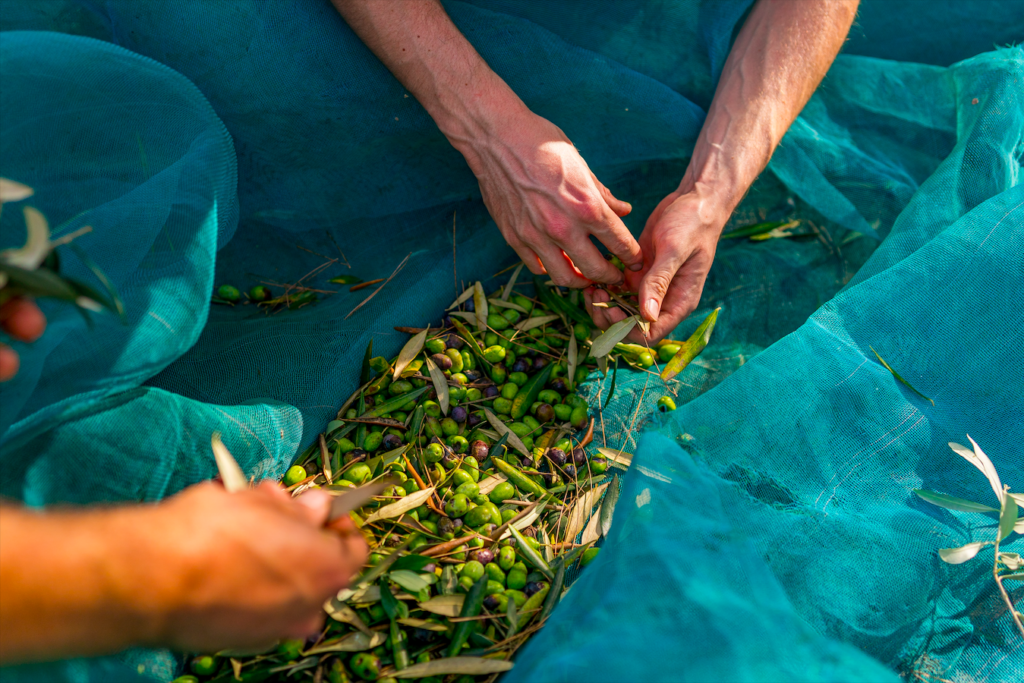
When prices rise people start paying more attention to how things are made. Photo credit: Davide Bonaldo/Shutterstock
In Spain, the weekly food shop has become noticeably more expensive for many households. Not in a sudden way, but slowly enough that people are starting to change how they buy things. A basket that once felt predictable now often comes out higher than expected. Some products are left on the shelf more often. Others are swapped for cheaper versions.
It is not just one item or one category. Bread, eggs, dairy, fruit, vegetables and cooking oils have all played a part in that shift. Most people are not changing what they eat completely. Instead, they are adjusting how they shop. Smaller baskets. More checking of prices. Less impulse buying.
Changing Habits in the Kitchen
That change has also affected how people cook at home. More meals are being made from basic ingredients instead of convenience food. Eating out during the week has dropped for some households. Nothing about it feels like a lifestyle decision. It is just a response to what things cost. Because of that, everyday ingredients are being looked at differently. Things that were once taken for granted now get more attention.
Olive oil is one of them. It is used constantly in Spanish cooking, so it runs out quickly and gets replaced often. When the price rises, it becomes noticeable in a way that occasional purchases do not.
That is part of why a short video posted on YouTube by the channel Chefsale showing olive oil being made by hand has been widely shared online. It shows a young man known as Valentín producing extra virgin olive oil using olives from a family tree, and it has circulated widely because it connects directly with something many people are already thinking about, whether it is possible to make more basic food items at home instead of relying entirely on shops.
Why the Video Has Gone viral
Valentín’s video is getting so many shares is not just because people are suddenly planning to start producing their own oil in large quantities, (although some might). It is because the idea feels less distant than it used to. When food prices rise, more people start paying attention to where things come from and what goes into them. Content that shows food being made from raw ingredients starts to feel more relevant than it once did.
Olive oil fits into that space clearly. It is something people use every day, but rarely think about beyond the bottle. Seeing it linked to a large amount of raw olives makes the cost feel more understandable, even if most people will never attempt it themselves.
It also sits alongside a new online trend of watching basic food production being done at home or on a small scale. Bread, cheese, butter, preserves and oils all appear in these contents. The interest is not just turning people into producers, but also in understanding what everyday products actually require before they reach a supermarket shelf.
What stands out in this case is the contrast between effort and output. A relatively small amount of finished oil comes from a large quantity of olives, which is part of what people react to when they watch it.
For Those That Want to Know: How to Make Olive Oil at Home
Im pretty sure some of our more curious readers are wondering how making your own olive oil is actually done. The process begins with fresh, ripe olives taken from the tree and cleaned so only the fruit remains. In the video, around seven kilos of olives are used, however I’ve actually looked this up and you can use anywhere between 4 to 9kgs for your own homemade ones. The olives are then washed and selected before being crushed, including the stones, into a paste.
Once crushed, the paste is placed into a fine cloth. The liquid is extracted through this cloth, separating the solid material from the liquid. The remaining solid part can be used as compost or fertiliser. The liquid collected at this stage is not yet the final oil. It is left to rest overnight in sealed containers.
After resting, the liquid naturally separates into layers. The top layer is removed carefully using a spoon or a ladle, the process requires patience as the separation happens slowly. Finally, the liquid is filtered again. After this final step, it becomes extra virgin olive oil. From around seven kilos of olives, the result is approximately 200 millilitres of oil.
Changing perspectives
The appeal of the video is tied to a simple idea: when everyday food becomes more expensive, people start looking at how it is made and whether it can be done at home.
When prices rise across basic items, more people pay attention to the process behind them. Things that once felt distant start to feel more accessible, and content showing food being made from raw ingredients begins to spread more easily because of that.
Olive oil is one example of this shift, but it sits alongside other foods people are now experimenting with at home as a way of responding to rising costs, rather than just consuming them without question.
Follow Euro Weekly News on Google News
Get breaking news from Spain, travel updates, and expat stories directly on your Google News feed.
Follow on Google NewsSign up for personalised news
Subscribe to our Euro Weekly News alerts to get the latest stories into your inbox!
By signing up, you will create a Euro Weekly News account if you don't already have one. Review our Privacy Policy for more information about our privacy practices.




Molly Grace
Molly is a British journalist and author who has lived in Spain for over 25 years. With a background in animal welfare, equestrian science, and veterinary nursing, she brings curiosity, humour, and a sharp investigative eye to her work. At Euro Weekly News, Molly explores the intersections of nature, culture, and community - drawing on her deep local knowledge and passion for stories that reflect life in Spain from the ground up.
Comments