Morocco ready to take back unaccompanied minors from Spain if legal barriers are removed
By Molly Grace • Published: 09 Aug 2026 • 1:19 • 4 minutes read
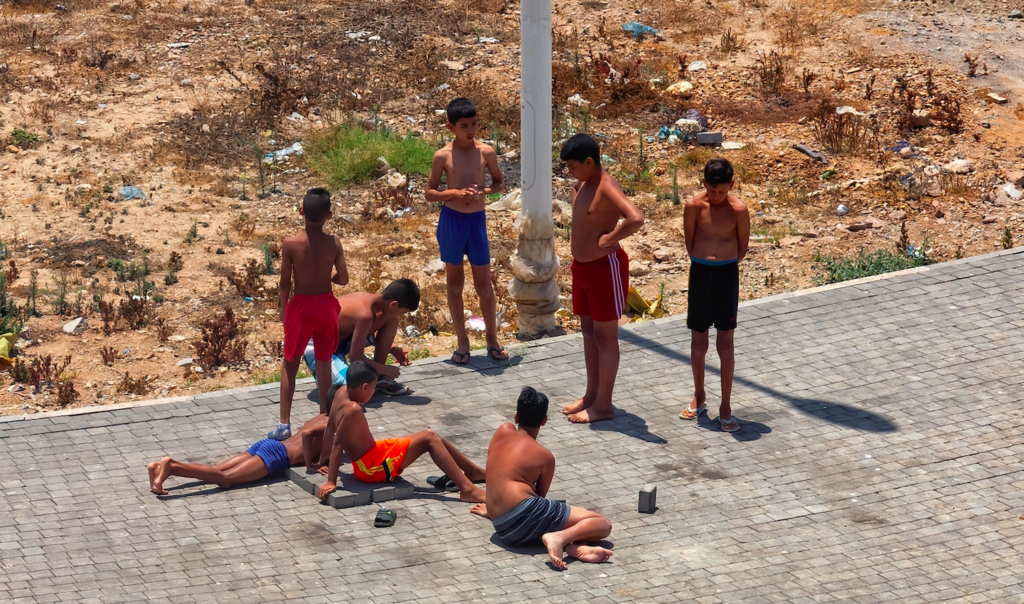
The distinction matters for regions dealing with pressure on their child-protection systems. Photo credit: Alexey Pevnev/Shutterstock
Spain could have a way to reduce the number of Moroccan unaccompanied minors in its care if the legal and administrative obstacles preventing their return can be overcome, with Morocco saying it is prepared to receive its nationals. For Spanish regions responsible for looking after children who arrive without parents or legal guardians, the issue is not simply where those children can be accommodated. It is also whether some could safely return to Morocco, particularly when relatives or suitable protection arrangements are available there.
Morocco says it is willing to receive them, but Spain’s procedures mean that a government agreement alone is not enough to send a child back. The issue has become particularly pressing in Ceuta following the latest arrivals from Morocco, but the question extends beyond the North African enclave. The Spain-Morocco framework concerns Moroccan unaccompanied minors in Spain, meaning any discussion about returns potentially affects children being looked after in different parts of the country.
Morocco says it is prepared to receive its minors
Morocco has previously stated that it is willing to take back the unaccompanied minors from European countries, including Spain. Foreign Minister Nasser Bourita said in 2024 that Morocco was ready to receive its minors, while arguing that European legal and administrative procedures were creating difficulties for their return. The position is based partly on the existing cooperation between Spain and Morocco.
The two countries have an agreement covering the protection of unaccompanied Moroccan minors and procedures for their assisted return, including the possibility of returning children to their families or to an appropriate protection institution in Morocco. That agreement does not mean that every Moroccan child currently in Spain can simply be returned. Spanish authorities have to examine each case and establish whether returning the child would comply with the legal safeguards governing unaccompanied minors.
Spain cannot simply send children back
The legal issue became particularly clear after the Supreme Court examined the mass return of Moroccan minors from Ceuta in August 2021. The court ruled that those returns had not complied with the requirements of Spanish law. Authorities must have information about each child, assess their individual circumstances and provide an opportunity for sufficiently mature minors to be heard. The Public Prosecutor’s Office must also be involved in the process.
That ruling is especially important for the current debate because it prevents the Spain-Morocco agreement from being treated as a shortcut around Spanish child-protection law. Morocco can agree to receive its nationals, but Spanish authorities still have to establish whether an individual return is lawful and appropriate. The process is therefore more complicated than simply identifying a child’s nationality and arranging transport across the border.
Why Ceuta has brought the issue back
The immediate pressure is being felt particularly strongly in Ceuta, where a sharp increase in arrivals has left the local authorities responsible for a large number of unaccompanied minors. The Spanish government has identified more than 1,300 unaccompanied minors in Ceuta following the recent arrivals, putting additional pressure on accommodation and child-protection services. The city has been asking for greater assistance from the central government and other autonomous communities.
That situation has revived the debate over whether Moroccan children who have entered Spain could instead be reunited with their families in Morocco or placed under the care of Moroccan protection authorities. But Ceuta is only one part of the issue, Moroccan unaccompanied minors are also being cared for in other Spanish regions, meaning that any workable arrangement between Madrid and Rabat could have implications beyond the current situation at the border.
What happens to children who cannot return?
For a return to go ahead, Spanish authorities must establish that the child will be properly received and protected in Morocco. Where family reunification is being considered, the relevant circumstances must be examined rather than assuming that a parent or relative can automatically take responsibility. If those requirements cannot be satisfied, the child remains under Spain’s protection.
That is why the argument is not simply about whether Morocco is willing to take its minors back. The question is whether Spain and Morocco can provide the documentation, identification and individual assessments needed to make lawful returns possible. The distinction matters for regions dealing with pressure on their child-protection systems. A return programme that complies with Spanish law could reduce the number of children who need long-term accommodation in Spain. A return carried out without the required safeguards, however, could face legal challenges, as happened following the 2021 Ceuta operation.
A potential route, but not an immediate solution
For Spain, Morocco’s willingness to receive its unaccompanied minors offers one possible route for dealing with a problem that has become increasingly difficult for some regions to manage. It would not apply automatically to every Moroccan minor in Spain, nor would it cover children whose circumstances make a return inappropriate. Each case would still need to pass through the required legal process.
The current situation in Ceuta has made the question harder to ignore, but the potential consequences reach much further than the border city. If Madrid and Rabat can remove the administrative obstacles while respecting the legal protections afforded to children, some Moroccan minors currently in Spain could eventually be reunited with their families or transferred to appropriate care in Morocco.
Follow Euro Weekly News on Google News
Get breaking news from Spain, travel updates, and expat stories directly on your Google News feed.
Follow on Google NewsSign up for personalised news
Subscribe to our Euro Weekly News alerts to get the latest stories into your inbox!
By signing up, you will create a Euro Weekly News account if you don't already have one. Review our Privacy Policy for more information about our privacy practices.



Molly Grace
Molly is a British journalist and author who has lived in Spain for over 25 years. With a background in animal welfare, equestrian science, and veterinary nursing, she brings curiosity, humour, and a sharp investigative eye to her work. At Euro Weekly News, Molly explores the intersections of nature, culture, and community - drawing on her deep local knowledge and passion for stories that reflect life in Spain from the ground up.
Comments