No more stray dogs? How the Netherlands tackled a crisis Spain still faces
By Molly Grace • Published: 26 Nov 2026 • 16:54 • 2 minutes read
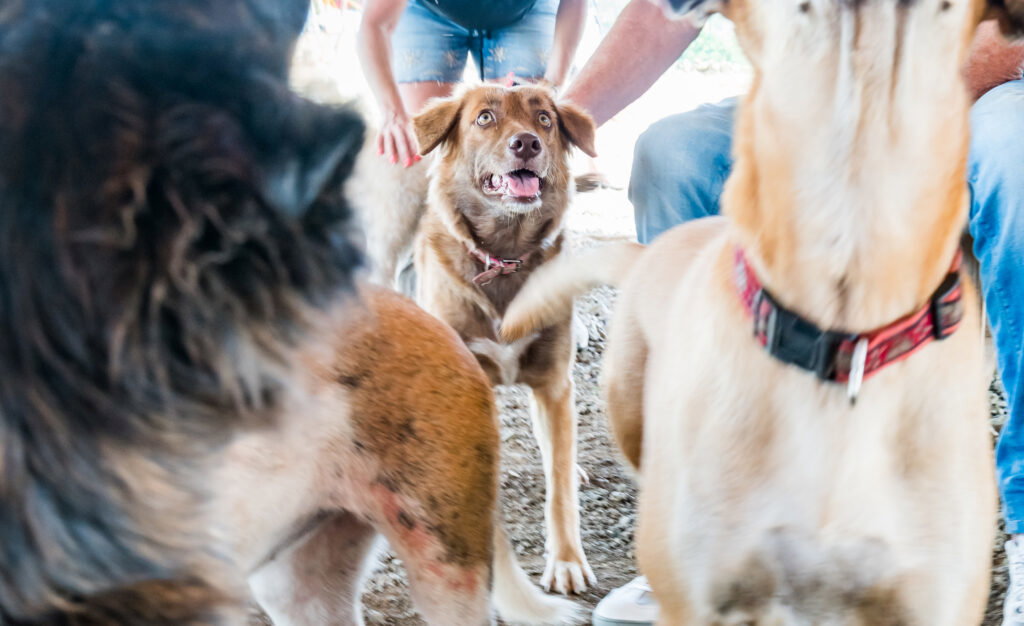
The Netherlands is often described as the first country to become free of stray dogs. Photo credit:Gail Johnson/Shutterstock
A country with virtually no stray dogs might sound impossible in Spain, where animal shelters took in more than 169,000 dogs last year. Yet the Netherlands has brought its street-dog population down to almost nothing, not through one quick fix, but through more than 200 years of changing how people treat and protect animals.
The Netherlands is often described as the first country to become free of stray dogs. That claim needs care: there is no reliable evidence that not a single stray dog exists. World Animal Protection describes stray dogs there as “nearly non-existent”. A dog found wandering is generally treated as an animal with an owner, and the mayor is responsible for ensuring it is kept in a shelter for at least two weeks.
From mass killing to animal protection
The country’s history was once very different. A 2012 study by Dutch animal welfare organisations and researchers found that around 1800, unwanted dogs were often simply put out onto the streets. Free-roaming dogs bred, while rabies outbreaks led to large-scale culling. Attempts to control numbers through dog taxes also backfired. Municipalities that introduced the tax had more strays than places without it. Some owners abandoned dogs rather than pay, with poverty identified as one factor behind the problem.
The first Dutch animal protection organisation was founded in The Hague in 1864, an animal shelter followed in 1877, and animal abuse became punishable in 1886. Campaigns targeted working dogs. An organisation established in 1912 pushed for better conditions for dogs used to pull carts, while inspectors checked standards and educated owners. The use of draught dogs was abolished in 1962, the same year the country introduced an animal protection law.
Prevention, not just rescue
Sterilisation became another important part of reducing unwanted litters. The 2012 study identified neutering, education and registration as key measures for countries trying to reduce stray dog populations.
It also described CNVR, Collect, Neuter, Vaccinate and Return, as a way to prevent sterilised dogs being replaced by unsterilised animals moving into the same area. It was not simply a matter of removing dogs from streets; it involved reducing abandonment and making owners more responsible.
The contrast with Spain
The scale of the challenge in Spain remains substantial. Fundación Affinity’s latest study recorded 169,268 dogs arriving at shelters in 2025, alongside 116,452 cats. These figures include animals that were abandoned or lost and taken into care; they are not a count of dogs living on the streets.
The foundation identifies unwanted litters, loss of interest in an animal, behavioural problems and the end of the hunting season among the reasons animals are handed into shelters. It also highlights reproduction control, microchipping, training and adoption as ways to reduce the problem.
What Spain can learn from the Netherlands
For Spain’s shelters, which continue to receive thousands of dogs every month, the Dutch example raises a question that goes beyond rescue: how many animals could be spared that journey if fewer were abandoned in the first place?
Follow Euro Weekly News on Google News
Get breaking news from Spain, travel updates, and expat stories directly on your Google News feed.
Follow on Google NewsSign up for personalised news
Subscribe to our Euro Weekly News alerts to get the latest stories into your inbox!
By signing up, you will create a Euro Weekly News account if you don't already have one. Review our Privacy Policy for more information about our privacy practices.




Molly Grace
Molly is a British journalist and author who has lived in Spain for over 25 years. With a background in animal welfare, equestrian science, and veterinary nursing, she brings curiosity, humour, and a sharp investigative eye to her work. At Euro Weekly News, Molly explores the intersections of nature, culture, and community - drawing on her deep local knowledge and passion for stories that reflect life in Spain from the ground up.
Comments