Spain’s restaurants could soon start serving smaller meals under new food waste law
By Farah Mokrani • Published: 15 May 2026 • 13:37 • 4 minutes read
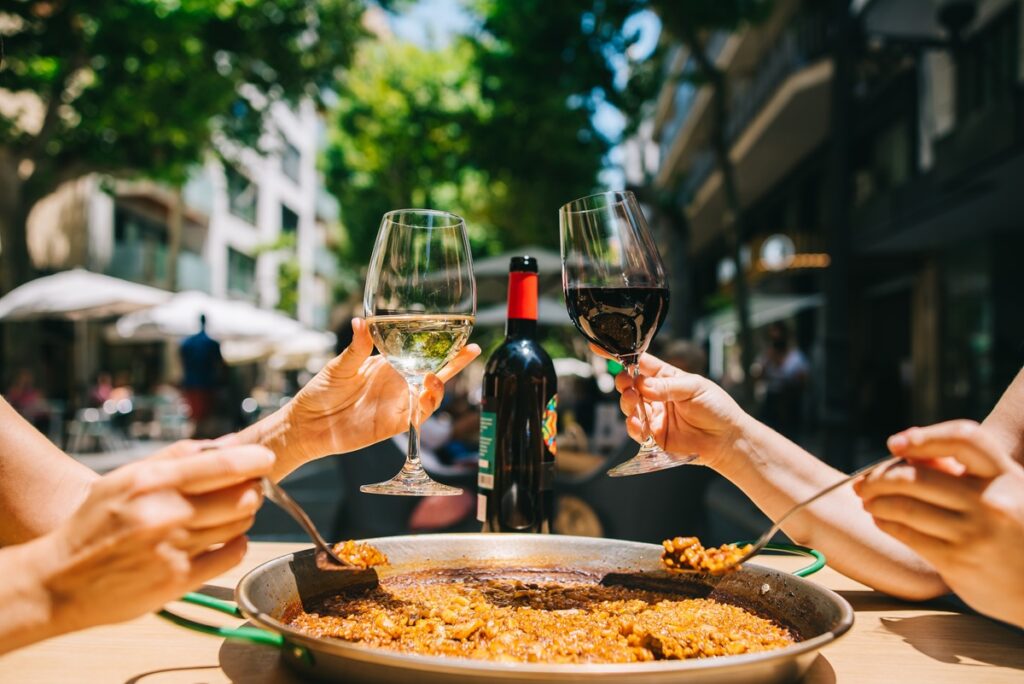
Spain’s new food waste law is encouraging restaurants to rethink oversized portions and offer more flexible serving sizes. Credit : bodiaphvideo, Shutterstock
People eating out in Spain may soon notice a quiet but significant change appearing on restaurant menus. Smaller portions, half plates and more flexible meal sizes are expected to become increasingly common as businesses adapt to Spain’s new Food Waste Law aimed at cutting the enormous amount of food thrown away every day.
The law does not directly force bars and restaurants to shrink their dishes. But it strongly encourages the hospitality sector to rethink oversized portions and give customers more choice over how much food they actually want to eat. For many diners, that could mean the end of receiving giant plates they never manage to finish.
Restaurants are also under growing pressure to reduce unnecessary waste at a time when food prices, electricity costs and operating expenses continue to rise across Spain.
For customers, the changes may not only reduce waste but could also make eating out cheaper and more practical.
Why Spain wants restaurants to rethink portion sizes
Anyone who regularly eats out in Spain knows the situation well. A dish arrives looking fantastic, but halfway through the meal it becomes obvious there is far too much food on the plate.
Until now, oversized portions have often been seen as part of good service. Bigger plates can make customers feel they are getting value for money.
But Spain’s new food waste legislation is pushing restaurants to think differently.
According to figures cited by Spanish consumer organisation OCU using research from Unilever Food Solutions, around seven per cent of food served in restaurants ends up in the bin. The study estimates that an average restaurant throws away roughly 2.5 kilos of food every day.
The government believes part of the problem starts long before leftovers appear at the end of the meal.
Menus themselves are now under scrutiny
The law encourages restaurants and public administrations to promote more flexible formats that allow customers to choose different portion sizes or select side dishes separately instead of automatically receiving large accompaniments they may not want.
In practice, that could mean menus offering small, medium and large plates, half portions, lighter dishes or more customisable meals.
Many restaurants in Spain already offer media ración options, especially in tapas bars, but industry experts believe the practice could now expand much further into mainstream dining.
For some customers, particularly older diners or people trying to avoid overeating, the change may actually be welcomed.
Restaurants are also trying to control rising costs
Food waste has become a financial problem as much as an environmental one. Restaurant owners across Spain are facing higher costs for ingredients, electricity, transport and staffing compared with a few years ago. Throwing away untouched food every day is becoming increasingly difficult to justify. That is one reason many businesses may voluntarily embrace smaller and more flexible portions even without strict legal obligations.
Hospitality groups say customer habits are also changing.
More diners now prefer lighter meals, sharing plates or ordering several smaller dishes instead of committing to one large serving. Younger consumers in particular are often more conscious about waste and sustainability than previous generations.
The law reflects that broader cultural shift. Spain’s Food Waste Law establishes a hierarchy for dealing with surplus food. The first priority is preventing waste altogether. If food remains unused but safe to consume, businesses are encouraged to donate or redistribute it before considering alternatives such as composting or energy recovery.
Restaurants that fail to comply with wider obligations linked to waste management could face fines ranging from a few thousand euros to hundreds of thousands in the most serious cases.
Still, for many businesses, the biggest motivation may simply be practicality.
Smaller portions often mean lower waste, lower purchasing costs and fewer plates returning to the kitchen half untouched.
Customers in Spain may soon see very different menus
The changes are unlikely to happen overnight, but restaurant menus across Spain could gradually start looking different over the coming months and years.
Instead of rigid menus built around one standard plate size, customers may increasingly see more flexible formats designed around appetite rather than tradition.
Some restaurants may introduce tasting sized portions or lighter lunch versions of popular dishes. Others could separate side dishes from main meals, allowing customers to choose exactly what they want instead of automatically receiving chips, salad or bread that may end up wasted.
The shift could also help families dining out. Parents often complain that children’s portions are too large while adults may prefer smaller options during hot summer months or late evening meals.
Many diners already ask for half portions informally. The difference now is that restaurants may start designing menus around that demand instead of treating it as an exception.
Spanish dining culture is unlikely to lose its reputation for generous food any time soon. Large paellas, sharing platters and abundant tapas remain deeply tied to the country’s social culture around meals. But the law is clearly encouraging restaurants to think more carefully about balance.
For years, leaving food on the plate was often treated as normal. Now, reducing waste is slowly becoming part of how restaurants present themselves to customers. And for many people eating out in Spain, smaller portions may end up feeling less like a sacrifice and more like a practical change that simply makes sense.
Follow Euro Weekly News on Google News
Get breaking news from Spain, travel updates, and expat stories directly on your Google News feed.
Follow on Google NewsSign up for personalised news
Subscribe to our Euro Weekly News alerts to get the latest stories into your inbox!
By signing up, you will create a Euro Weekly News account if you don't already have one. Review our Privacy Policy for more information about our privacy practices.



Farah Mokrani
Farah is a journalist and content writer with over a decade of experience in both digital and print media. Originally from Tunisia and now based in Spain, she has covered current affairs, investigative reports, and long-form features for a range of international publications. At Euro Weekly News, Farah brings a global perspective to her reporting, contributing news and analysis informed by her editorial background and passion for clear, accurate storytelling.
Comments